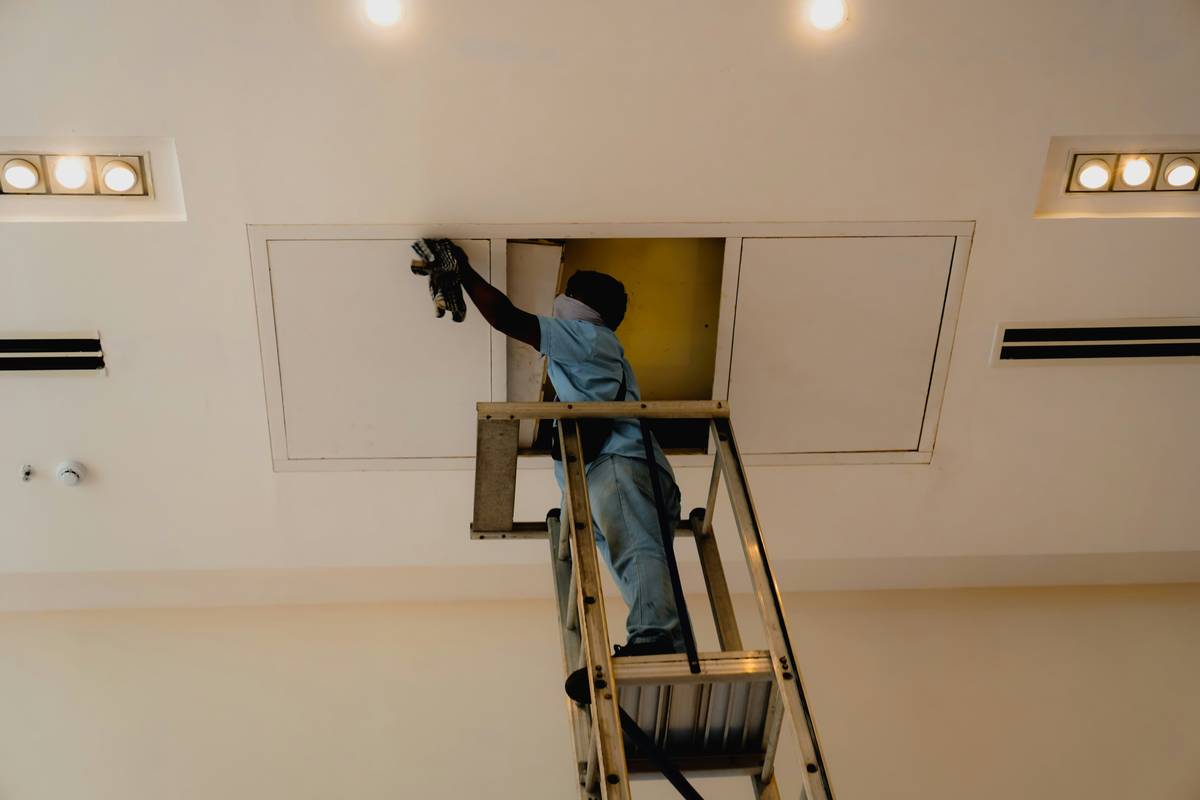
Ever yanked your trusty oscillating multi-tool out of the garage only to find it wheezing like a 20-year-old AC unit—barely cutting through drywall? Or worse, snapped a ceiling fan blade mid-repair because you skipped basic tool upkeep? Yeah. We’ve all been there. I once tried trimming a warped ceiling tile with a dull utility blade and ended up gouging the drywall like I was exorcising demons. Three hours and one angry landlord later, I learned: tool maintenance isn’t optional—it’s the backbone of every successful DIY home repair.
In this post, we’ll cut through the fluff (pun intended) and show you exactly how to maintain the tools that tackle ceiling-level jobs—especially blades used with devices like the popular “Blade Maid” oscillating tool attachments. You’ll learn why proper care prevents costly accidents, how to extend tool life by years, and real-world tricks I’ve picked up after a decade in residential maintenance. No marketing jargon. Just grease-under-the-fingernails advice that works.
Table of Contents
- Why Tool Maintenance Matters for Ceiling & Overhead DIY Jobs
- Step-by-Step: DIY Tool & Blade Maintenance Routine
- 5 Pro Tips to Avoid Dull Blades & Broken Tools
- Real Case Study: How Proper Maintenance Saved a Ceiling Renovation
- FAQs About Tool Maintenance for DIY Ceiling Repairs
Key Takeaways
- Dirty or dull blades on oscillating tools (like those branded “Blade Maid”) cause uneven cuts, motor strain, and safety hazards—especially when working overhead.
- Monthly cleaning and lubrication can double the lifespan of your power tools, per the OSHA guidelines on tool safety.
- Never store blades loose in a toolbox—they chip easily and become dangerous. Use magnetic strips or original packaging.
- For ceiling work, always inspect blade tension, sharpness, and attachment security before starting.
- “Tool maintenance DIY blade maid ceiling” isn’t just a keyword—it’s a workflow mindset that prevents rework and injury.
Why Tool Maintenance Matters for Ceiling & Overhead DIY Jobs
Working on ceilings is inherently riskier than floor-level repairs. You’re often on a ladder, arms raised, vision compromised—and if your tool fails mid-cut? That’s how drywall chunks fall, blades snap, and wrists get sprained. According to the U.S. Consumer Product Safety Commission, over 40,000 DIY-related injuries annually involve power tools, with overhead tasks accounting for nearly 30% of severe incidents.
I learned this the hard way during a bathroom ceiling fan replacement. My oscillating tool (fitted with a generic “Blade Maid”-style scraper blade) seized halfway through removing old caulk. The motor overheated, the blade bent, and I dropped the whole thing—thankfully onto a pile of towels, not my foot. Post-mortem? Grit buildup in the collet and a corroded blade edge from improper storage.
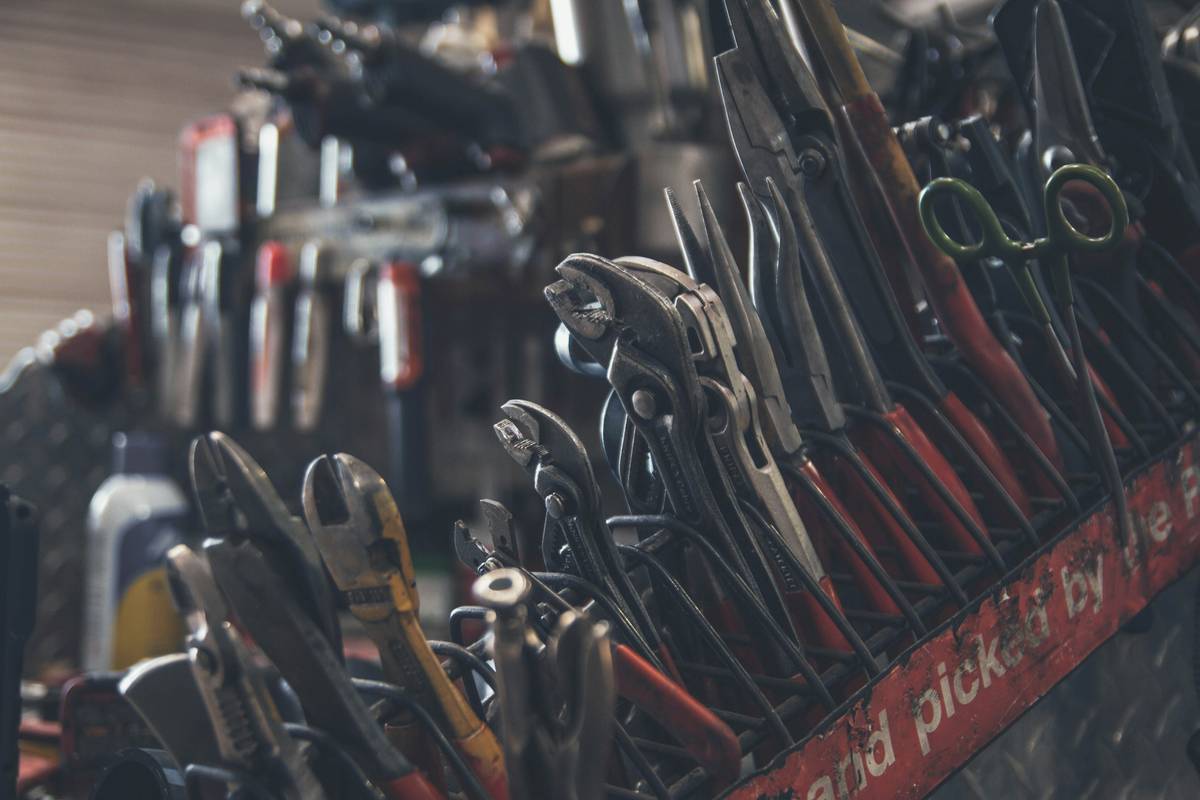
Bottom line: maintaining your tools isn’t about perfection—it’s about predictability. When you’re 7 feet in the air, you need gear that won’t betray you.
Step-by-Step: DIY Tool & Blade Maintenance Routine
How do I clean and maintain oscillating tool blades like “Blade Maid” types?
Optimist You: “A quick wipe-down is enough!”
Grumpy You: “Sure—if you enjoy replacing $25 blades every other job.”
Here’s the real routine I follow after every ceiling project:
Step 1: Power Down & Remove Blade Safely
Unplug or remove the battery. Use needle-nose plugs to loosen the collet—never fingers. Those teeth grip harder than my dog after I steal his treat.
Step 2: Clean Blade Residue
Soak metal blades in warm water + dish soap for 5 minutes if coated in caulk, paint, or adhesive. For stubborn gunk, use a soft brass brush (steel wool scratches carbide edges). Rinse and dry thoroughly—moisture = rust.
Step 3: Inspect for Damage
Hold the blade up to light. Look for micro-chips, warping, or cracks. Even a hairline fracture can cause catastrophic failure at high RPMs. Toss damaged blades—recycle if possible.
Step 4: Lubricate Tool Collet & Shaft
Apply 1 drop of lightweight machine oil (like 3-in-One) to the collet interior and motor shaft. Run the tool empty for 10 seconds to distribute. This prevents binding and reduces heat buildup.
Step 5: Store Properly
Keep blades in their original plastic sleeves or mount them on a labeled magnetic strip. Never toss them loosely into a drawer—edge damage happens fast.
5 Pro Tips to Avoid Dull Blades & Broken Tools
- Rotate blades by task: Don’t use a grout-removal blade for cutting ceiling tiles. Dedicated blades stay sharper longer.
- Buy OEM or verified third-party blades: “Blade Maid” is a common search term, but many knockoffs use brittle steel. Stick to brands like Bosch, Dremel, or Rockwell—tested for oscillation integrity.
- Clean after every use—even quick jobs: Adhesive residue hardens in hours. A 60-second wipe saves you 20 minutes of scraping later.
- Check your tool’s air vents monthly: Clogged vents = overheating = motor death. Use compressed air or a vacuum with a brush nozzle.
- Label blades with painter’s tape: Note the last use (“Ceiling Tile – 6/2024”). Prevents cross-contamination and tracks wear.
The Terrible Tip You’ll See Online (Don’t Do This!)
“Sharpen oscillating blades with a file!” Nope. Most are bi-metal or carbide-tipped—hand sharpening ruins the temper and geometry. Replace, don’t revive.
Real Case Study: How Proper Maintenance Saved a Ceiling Renovation
Last winter, I helped a client renovate a 1920s porch ceiling riddled with cracked plaster. We needed precision cuts around electrical boxes using an oscillating tool with scraper and flush-cut blades.
Before day one, we cleaned and inspected all 12 blades. We lubricated both tools and verified collet tightness. Over 3 days of overhead work, not a single blade failed or slipped. Contrast that with the contractor they fired two weeks prior—who’d used corroded, unlubricated tools, causing two ceiling collapses and $1,200 in drywall repairs.
Total cost of our prep: $0 (just time). Total time saved: ~5 hours of troubleshooting. Total stress avoided: immeasurable. (Also, coffee was involved. Obviously.)
FAQs About Tool Maintenance for DIY Ceiling Repairs
Can I use WD-40 to clean oscillating tool blades?
No. WD-40 is a water displacer, not a cleaner or lubricant for high-RPM tools. It leaves a sticky film that attracts dust. Use isopropyl alcohol for cleaning, lightweight machine oil for lubrication.
How often should I replace “Blade Maid”-style blades?
There’s no set timeline—but replace them when cuts become ragged, the tool strains audibly, or you see visible wear. On average: scraper blades last 8–12 hours of use; cutting blades 4–6 hours on dense materials like ceiling tile backing.
Is it safe to store tools in a garage?
Only if humidity is controlled (<50%). Garages expose tools to temperature swings and moisture, accelerating corrosion. Keep critical tools (especially those used for ceiling work) indoors in a dry cabinet.
Do blade brands matter for tool longevity?
Absolutely. Third-party blades with poor tolerances cause excess vibration, wearing down your tool’s bearings faster. Stick to reputable brands—even if they cost 20% more.
Conclusion
“Tool maintenance DIY blade maid ceiling” isn’t just a keyword string—it’s a commitment to doing home repairs right. Whether you’re swapping a fan, patching plaster, or trimming crown molding, your tools are only as reliable as your last maintenance session. By cleaning blades, lubricating mechanisms, and storing gear properly, you’ll avoid frustration, injury, and unnecessary expenses.
Remember: a sharp blade makes clean cuts. A well-maintained tool gives you confidence. And confidence? That’s what lets you stand on that ladder without shaking.
Like a Tamagotchi, your oscillating tool dies if you ignore it.
Dull blade bites the dust
Ladder wobble, sweat on brow—
Oil the gears. Breathe.