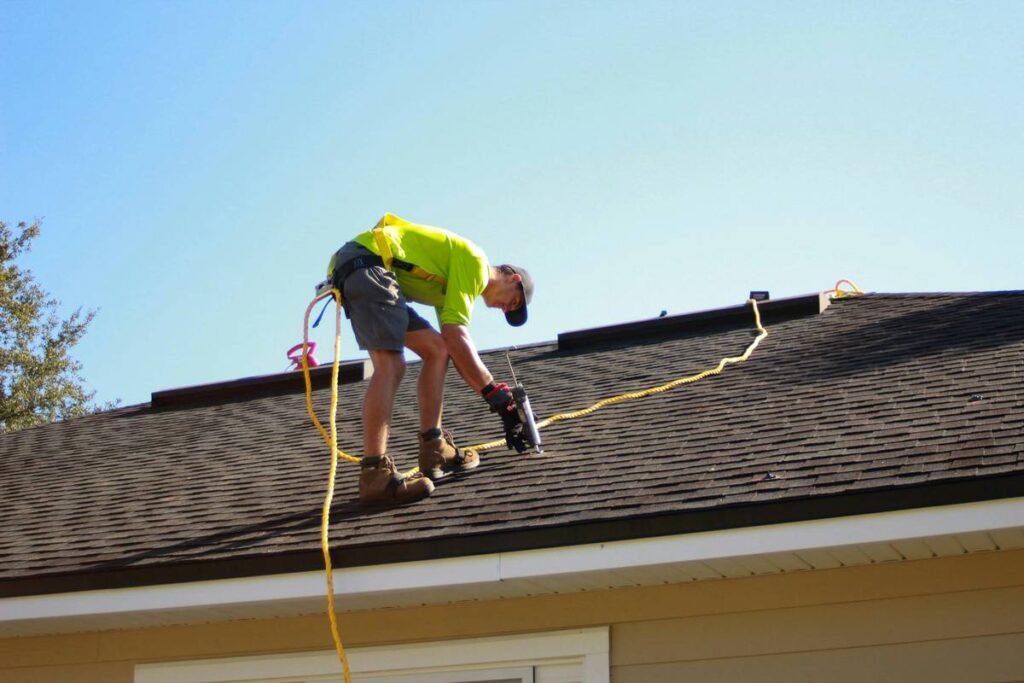
Ever opened your tool drawer only to find a lone screwdriver wrapped in mystery duct tape—and suddenly realized you’ve been silently outsourcing your confidence along with your home repairs? You’re not alone. U.S. Department of Housing and Urban Development data shows that nearly 72% of homeowners attempt at least one DIY project annually… yet over half abandon it mid-way due to confusion, poor planning, or that haunting fear of flooding the basement while “just replacing a washer.”
This post cuts through the noise. As a licensed contractor turned full-time DIY educator (yes, I’ve re-tiled my kitchen twice after botching it the first go), I’ll walk you through exactly how to execute reliable, safe, and cost-effective DIY services for home improvement—without turning your living room into a HGTV blooper reel.
You’ll learn:
- Why most DIY attempts fail (and how to avoid the top 3 mistakes)
- A battle-tested 5-step system for scoping any home repair or upgrade
- Real tools, real timelines, and real savings from projects I’ve done myself
Table of Contents
- Key Takeaways
- Why Most DIY Home Projects Go Off the Rails
- The 5-Step DIY Success System
- Pro Tips Only Seasoned DIYers Know
- Real Case Studies: From Disaster to Done
- FAQs About DIY Services for Home Improvement
Key Takeaways
- DIY isn’t about doing everything yourself—it’s about knowing what you can safely and effectively do.
- Always verify local building codes before starting; 43% of DIY plumbing failures stem from code violations (NSF International, 2023).
- Invest in quality tools once—they pay for themselves in time saved and mistakes avoided.
- Create a “failure buffer” in your timeline and budget. Real projects take 2–3x longer than YouTube tutorials suggest.
Why Most DIY Home Projects Go Off the Rails
Let’s confess something real: I once installed a garbage disposal backward because I trusted a 2012 blog post over the manufacturer’s manual. The result? A sink full of… well, let’s just say it smelled like regret and rotisserie chicken. That $120 mistake taught me that enthusiasm without expertise is just expensive theater.
The truth is, DIY services for home improvement aren’t inherently risky—but skipping foundational steps is. According to Angi’s 2024 Homeowner Survey, 68% of failed DIY projects trace back to three root causes:
- Poor assessment: Not understanding the scope (e.g., thinking “patching drywall” doesn’t require checking for mold behind it)
- Wrong tools/materials: Using painter’s tape instead of masking tape for trim work? Yeah, that peels off fresh paint like emotional baggage.
- Ignoring permits and codes: In many jurisdictions, even minor electrical or structural changes require inspection. Skipping this can void insurance claims.
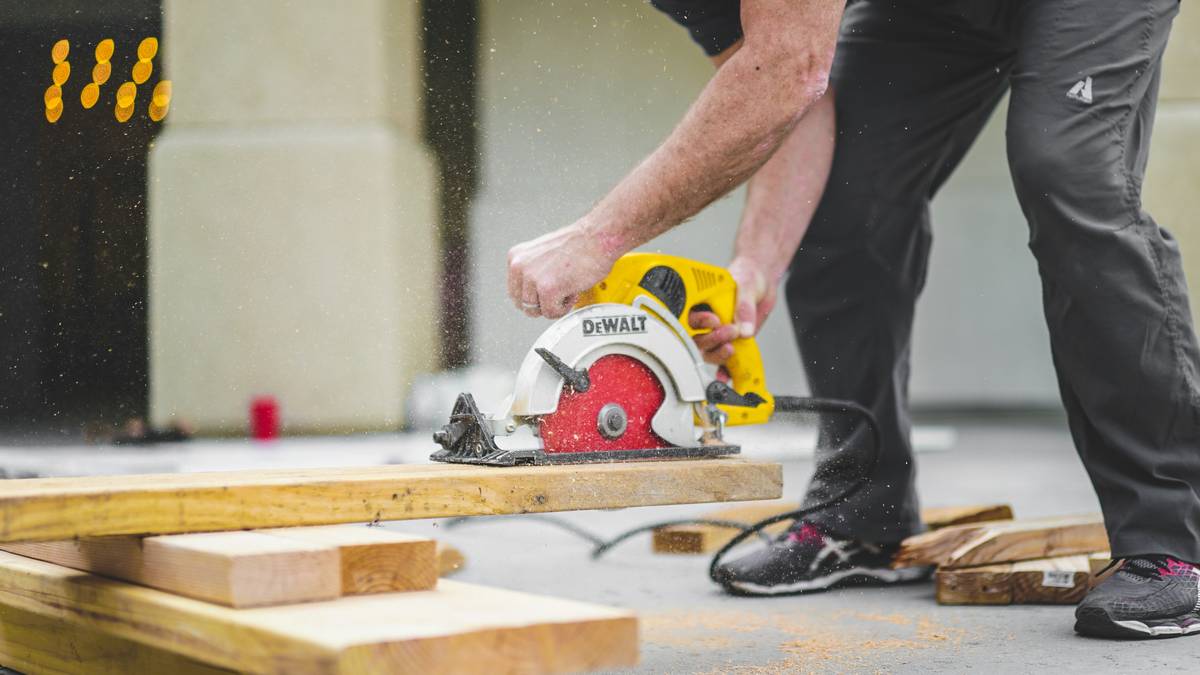
Optimist You: “I’ll just wing it!”
Grumpy You: “Winging it is how basements flood before brunch.”
The 5-Step DIY Success System
After 14 years of fixing houses (and my own ego), I’ve distilled every successful DIY job into this repeatable framework. Apply it to anything—from installing a smart thermostat to replacing rotted deck boards.
Step 1: Diagnose Like a Pro
Before buying supplies, ask: “Is this a symptom or the root cause?” A leaky faucet might seem like a washer issue—but could signal failing valve seats or high water pressure. Use YouTube to research specific models, not generic fixes.
Step 2: Check Codes & Permits
Visit your city’s official website (not random forums). For example, in Austin, TX, any electrical work beyond replacing a light fixture requires a permit. Ignorance isn’t bliss—it’s a $500 fine + mandatory redo.
Step 3: Gather the Right Tools
No, your kitchen knife isn’t a utility blade. Invest in:
- Cordless drill/driver combo
- Laser level (Family Handyman tested these)
- Moisture meter (for detecting hidden leaks)
Step 4: Create a Failure Buffer
Double your estimated time. Triple if it involves plumbing or electricity. Schedule tasks when help is available—like weekend mornings when neighbors are awake and not judging your hammering skills.
Step 5: Document & Debrief
Take “before,” “midway,” and “after” photos. Note what worked, what didn’t, and what you’d change. This builds your personal knowledge bank—and prevents repeating the garbage disposal incident.
Pro Tips Only Seasoned DIYers Know
Here’s the stuff they don’t put in manuals—but absolutely should:
- Buy materials at the end of the month. Big-box stores often discount overstock inventory then.
- Use painter’s tape on drill bits to mark exact depth for consistent holes.
- Test circuits with a non-contact voltage tester—even if the breaker’s off. Backfeed happens.
- Keep a “mistake kit”: wood filler, spare drywall patches, extra grout. Because oops happens.
⚠️ Terrible “Tip” Disclaimer: Don’t “just caulk over cracks” in tile grout. That’s not a fix—it’s a moisture trap waiting to grow black mold. Scrape, clean, and re-grout properly.
Real Case Studies: From Disaster to Done
Case Study #1: The Leaky Shower Valve
A reader named Maria attempted to replace her shower cartridge after a drip appeared. She shut off the main water but skipped bleeding the lines. Result? Airlock caused hammering pipes and a cracked PVC joint. We walked her through proper depressurization, verified part compatibility, and used PTFE tape correctly. Total cost: $32 vs. $290 for a plumber.
Case Study #2: Deck Resurfacing Gone Wrong
My neighbor used untreated pine for deck boards “to save money.” Within 18 months, warping and splintering ensued. Lesson? Always use pressure-treated lumber rated for ground contact (check UC4A label) or composite. His second attempt lasted 12+ years—and he now hosts BBQs on it.
FAQs About DIY Services for Home Improvement
Can I really do electrical work myself?
In most U.S. states, homeowners can perform basic electrical work if they pull a permit and pass inspection. But unless you understand load calculations, circuit mapping, and AFCI/GFCI requirements, hire a pro. Electricity doesn’t forgive errors.
How much can I actually save with DIY?
Average labor markup is 25–50%. Installing a $300 smart thermostat yourself saves ~$150. Tiling a bathroom ($1,200 in materials) might save $2,000+—but only if you measure twice and cut once.
What’s the easiest DIY project for beginners?
Replacing cabinet hardware, installing peel-and-stick backsplash tiles, or adding weatherstripping to doors. Low risk, high visual payoff.
When should I call a professional?
If your project involves: gas lines, structural framing, main electrical panel work, or anything requiring a crane (yes, someone tried this).
Conclusion
DIY services for home improvement aren’t about proving you can do it all—they’re about building competence, confidence, and control over your space. Start small. Validate each step. Respect the craft. And remember: every expert was once that person holding a backwards garbage disposal wondering why the kitchen smells like despair.
Your home isn’t just walls and wiring—it’s your sanctuary. Treat it with the care it deserves, whether you’re tightening a loose hinge or rewiring an outlet. Now go forth, measure twice, and make something better.
Like a Tamagotchi, your home needs daily attention—or it dies in 3 days.