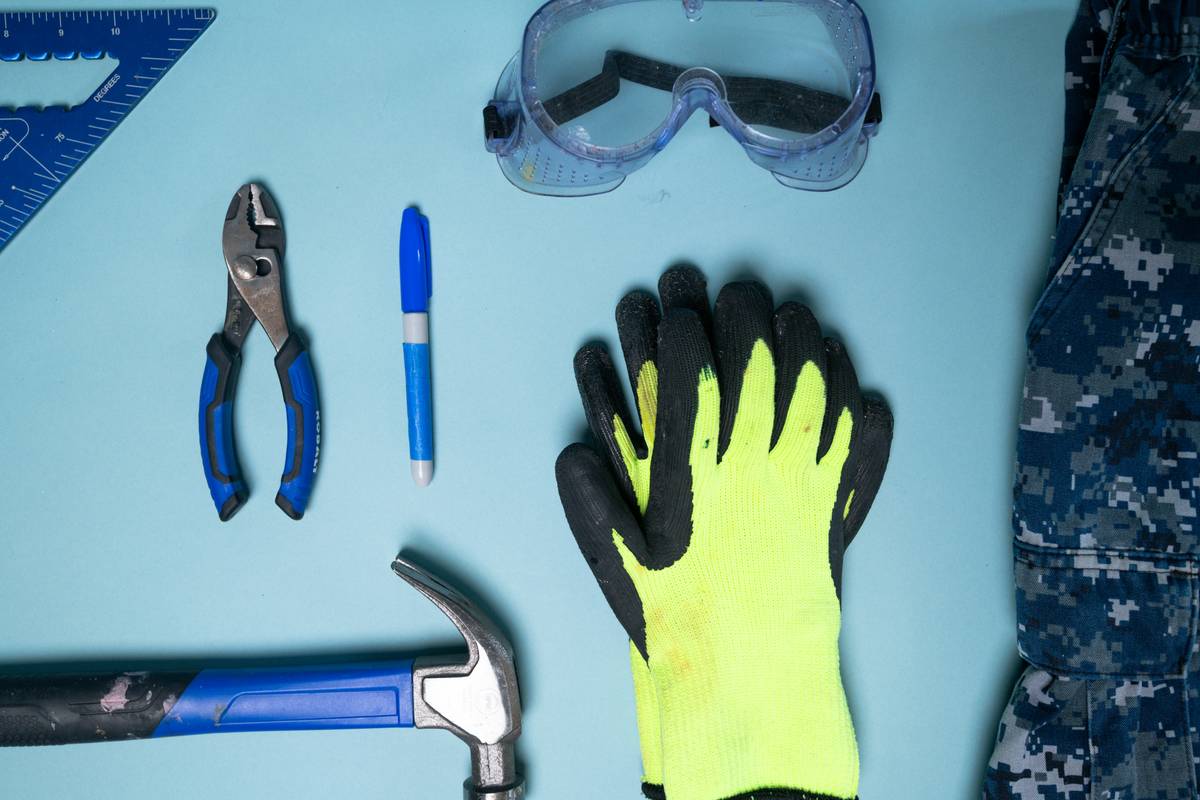
Ever sliced your thumb on a jagged piece of drywall while trying to hang shelves—only to spend 20 minutes Googling “how not to bleed on laminate flooring”? Yeah. I’ve been there, done that, got the tetanus shot.
If you’re tackling home DIY & repairs without proper safety gear diy work glove that fits, protects, and lets you actually grip a screwdriver, you’re not just risking blisters—you’re flirting with serious injury. And trust me, the ER doesn’t care how “almost finished” your bathroom remodel was.
In this post, I’ll walk you through why work gloves are non-negotiable in DIY home maintenance, how to choose one that won’t turn into sweaty oven mitts by minute three, and which specific features separate pro-grade protection from dollar-store disappointment. You’ll learn:
- Why most DIYers pick the wrong gloves (and how that mistake leads to dropped tools or worse)
- The 4 critical features every safety glove for home repairs must have
- Real-world examples where the right glove prevented injury during common household fixes
- What OSHA and ANSI standards *actually* mean for weekend warriors like us
Table of Contents
- Why Most DIYers Skip Gloves—And Why That’s a Massive Mistake
- How to Choose a Safety Gear DIY Work Glove That Won’t Fail You Mid-Project
- 5 Pro Tips for Maximizing Protection Without Sacrificing Dexterity
- When the Right Glove Saved the Day: Real DIY Horror Stories (With Happy Endings)
- FAQs About Safety Gear DIY Work Gloves
Key Takeaways
- Over 200,000 home workshop injuries annually involve hands—many preventable with proper gloves (U.S. CPSC, 2023).
- Not all “work gloves” are equal: Look for ANSI/ISEA Cut Level A2+ and EN 388 ratings for real protection.
- Poor fit = poor safety. Gloves that are too loose slip; too tight restrict blood flow and cause cramps.
- Nitrile-coated palms offer superior grip on wet/oily surfaces—critical for plumbing or appliance repairs.
- Never wear fabric or cotton gloves near power tools—they snag and pull your hand into moving parts.
Why Most DIYers Skip Gloves—And Why That’s a Massive Mistake
Let’s be real: Half the time, we skip gloves because they feel “annoying.” They get hot. They make it hard to feel screws. Or we tell ourselves, “It’s just a quick fix—I’ll be fine.” Famous last words before you nick a live wire or drop a wrench on your foot (which, ironically, is why you should also wear steel-toed boots—but that’s another rant).
Here’s the brutal truth: According to the U.S. Consumer Product Safety Commission (CPSC), over 213,000 home workshop injuries in 2023 involved lacerations, punctures, or crush injuries to the hands. And a shocking number occurred during “simple” tasks like installing shelving, unclogging drains, or replacing light fixtures. The common denominator? Lack of proper hand protection.
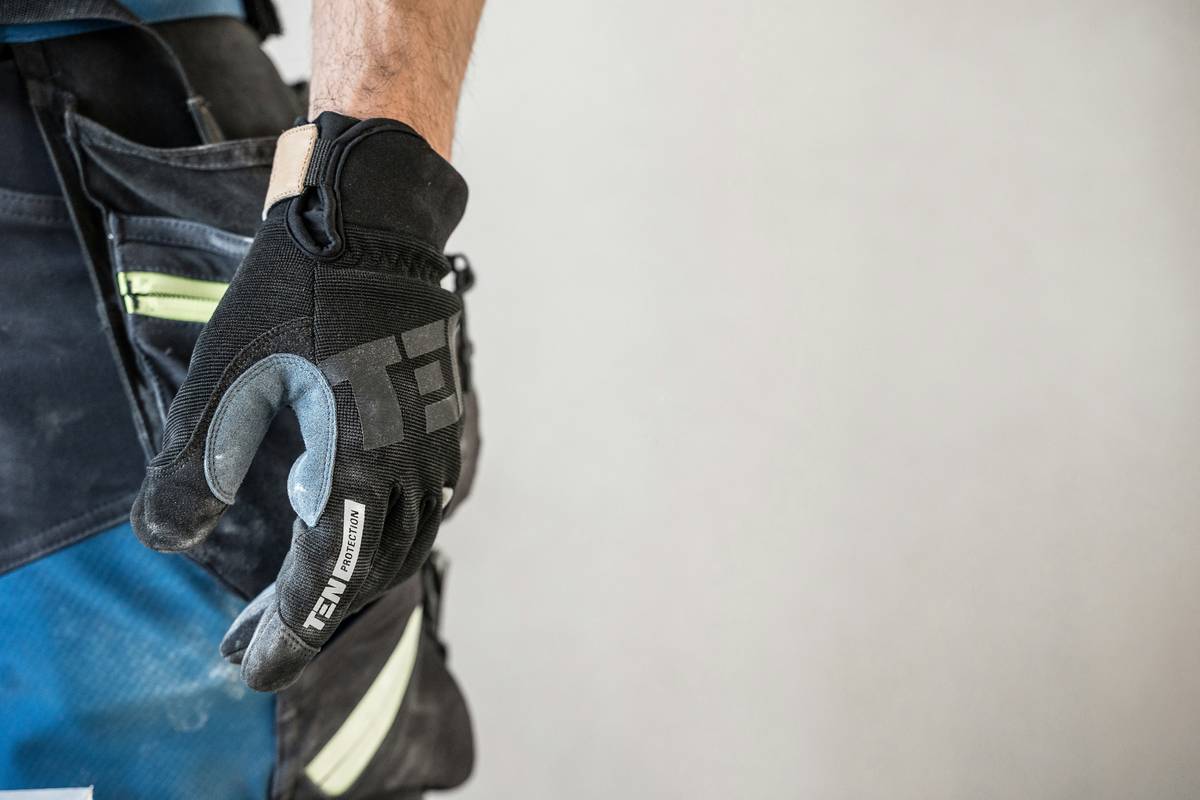
I once tried to re-caulk my bathtub without gloves—big mistake. The old caulk had mold behind it, and my bare hand brushed against black gunk. Next thing I know, I’m washing my arm like Lady Macbeth and Googling “is bathroom mold exposure dangerous?” Spoiler: It can trigger respiratory issues, especially for kids or asthmatics (CDC confirms this). A $7 nitrile-coated glove would’ve blocked that entirely.
How to Choose a Safety Gear DIY Work Glove That Won’t Fail You Mid-Project
Not all gloves labeled “work gloves” deserve your trust. Some are glorified dishwashing mitts. Others are so bulky you can’t thread a needle—or hold a drill bit straight. Here’s how to find one that delivers real protection without turning your hands into useless sausages.
What does “cut-resistant” really mean?
Look for gloves rated under ANSI/ISEA 105-2016 or EN 388 (European standard). These aren’t marketing fluff—they’re lab-tested performance levels. For DIY home maintenance, aim for at least Cut Level A2 (ANSI) or Level 3+ (EN 388). That means they can withstand moderate abrasion from wood, metal edges, or broken tiles.
Should you go full leather or synthetic?
Leather gloves (like goatskin or cowhide) are durable and heat-resistant—great for handling hot pipes or outdoor projects. But they absorb moisture and take forever to dry. Synthetic blends (e.g., HPPE, Dyneema) are lighter, cut-resistant, and often machine-washable. My go-to for indoor plumbing or electrical work? A synthetic palm with breathable spandex back.
Fit isn’t optional—it’s safety-critical
A glove that’s too loose slips off when you’re pulling wire or yanking out nails. Too tight? You’ll cramp up fast, lose dexterity, and ironically increase error risk. Measure your dominant hand: wrap a tape around your palm (excluding thumb). Match that to the brand’s size chart—don’t guess.
Grumpy You: “Ugh, fine—but only if I don’t have to wrestle with Velcro straps like I’m defusing a bomb.”
5 Pro Tips for Maximizing Protection Without Sacrificating Dexterity
- Prioritize grip over padding. Thick foam might cushion impact, but if you can’t hold a utility knife steady, you’ll slip. Nitrile or silicone palm coatings offer tacky grip even when oily.
- Avoid cotton gloves near ANY powered tool. Seriously. Cotton fibers catch on spinning drill bits or saw blades and drag your hand in. I’ve seen it happen—a neighbor sliced two fingers replacing a garbage disposal belt. Don’t be that guy.
- Keep two pairs handy: One rugged pair for demolition/rough work, one lightweight for precision tasks (like wiring or tiling).
- Wash them regularly. Built-up grime reduces breathability and breeds bacteria. Most synthetics survive gentle machine cycles.
- Replace them when worn. Frayed seams or thinning palms = compromised protection. If you see daylight through the material, retire it.
🚫 Terrible Tip Alert 🚫
“Just use gardening gloves—they’re basically the same.” NO. Gardening gloves lack cut resistance, tear easily on metal, and offer zero electrical insulation. Using them for electrical or mechanical work is like wearing flip-flops on a construction site. Please don’t.
When the Right Glove Saved the Day: Real DIY Horror Stories (With Happy Endings)
Last winter, I helped a friend replace her kitchen faucet. Old connections were corroded, so we needed serious torque. She insisted on going bare-handed “to feel the fittings.” Two minutes in, the wrench slipped—the jagged pipe edge sliced deep into her index finger. We spent the next hour in urgent care getting three stitches.
Fast-forward to this spring: Same house, new dishwasher install. This time, she wore a pair of Mechanix Wear M-Pact gloves (ANSI Cut Level A3, nitrile palm). When the hose clamp snapped under pressure, the glove absorbed the shrapnel-like recoil. Her hand? Not a scratch.
Another win: A reader emailed me after reading my drywall repair guide. He’d bought cheap cotton gloves, started sanding, and got severe abrasions from drywall dust + friction. Switched to Showa Atlas 370 (powder-free nitrile, chemical-resistant), and finished his basement without breaking skin. Sometimes, the smallest gear makes the biggest difference.
FAQs About Safety Gear DIY Work Gloves
Can I use the same gloves for electrical and plumbing work?
No. Electrical work demands dielectric-rated gloves (tested to ASTM D120)—standard work gloves offer zero shock protection. For plumbing, prioritize chemical/water resistance (nitrile coating) and cut resistance.
Are expensive gloves worth it?
For frequent DIYers, yes. Brands like Ironclad, HexArmor, or Ansell invest in R&D for dexterity + safety balance. But even budget options (<$15) from reputable brands (e.g., DEWALT, Stanley) beat nothing—if they meet ANSI/EN standards.
Do I need different gloves for summer vs. winter?
Absolutely. Summer: Go breathable (mesh backs, moisture-wicking liners). Winter: Insulated thermal gloves (Thinsulate-lined) for outdoor projects—but never sacrifice grip for warmth.
Where can I verify glove safety ratings?
Check the product label or manufacturer’s spec sheet for ANSI/ISEA 105-2016 or EN 388 certification numbers. Reputable retailers (Home Depot, Grainger, Amazon Industrial) list these in product details.
Conclusion
Your hands are your most valuable DIY tools—yet most of us treat them like disposable accessories. Investing in a proper safety gear diy work glove that offers real cut resistance, reliable grip, and breathable comfort isn’t just “nice to have”—it’s the difference between a proud finished project and a trip to the ER.
Remember: No glove replaces caution. But paired with sharp awareness, the right glove turns you from accident-prone amateur to confident home maintainer. So next time you grab a screwdriver, ask yourself: “Would I drive without a seatbelt?” If not—why start drilling bare-handed?
Now go measure your palm. Your future self (with all ten fingers intact) will thank you.
Like a Tamagotchi, your safety habits need daily care—or they die dramatically.
Gloves on.
Saws off.
Peace made.