Ever ripped out old drywall, sanded down cabinets, or drilled into decades-old plaster—only to spend the next two hours coughing like you’ve just inhaled a sandstorm? Yeah. I’ve been there. In fact, during my first major kitchen remodel (circa 2016, flannel shirt and zero clue), I used a coffee filter taped to my face with painter’s tape as a “dust mask.” Spoiler: it failed spectacularly. My lungs paid the price for three days straight.
If you’re tackling home DIY & repairs—even light jobs like patching holes or sanding trim—you absolutely need proper safety gear diy dust mask disposable protection. And not just any flimsy paper mask from the dollar bin. This post dives deep into why respiratory safety matters, how to choose the right disposable dust mask for your project, and what real-world mistakes (like mine) you must avoid. You’ll learn:
- When a basic dust mask works—and when it’s dangerously inadequate
- How to decode NIOSH ratings and filter classifications
- Top 3 disposable mask picks trusted by pros (and tested by me)
- One “terrible tip” DIYers keep repeating that puts their health at risk
Table of Contents
- Why Respiratory Safety Matters in DIY Home Repairs
- How to Choose the Right Disposable Dust Mask for Your Project
- Best Practices for Using Disposable Dust Masks Safely
- Real-World Case Study: A DIY Nightmare Averted
- FAQ: Safety Gear DIY Dust Mask Disposable
Key Takeaways
- Not all “dust masks” offer equal protection—many are decorative, not functional.
- For sanding, demolition, or insulation work, use at least an N95 respirator rated by NIOSH.
- Disposable dust masks are single-use; reusing them compromises filtration and hygiene.
- Fit matters as much as filtration—poor seal = unfiltered air entering your lungs.
- OSHA and CDC guidelines confirm that wood dust, silica, and mold spores pose serious long-term health risks.
Why Respiratory Safety Matters in DIY Home Repairs
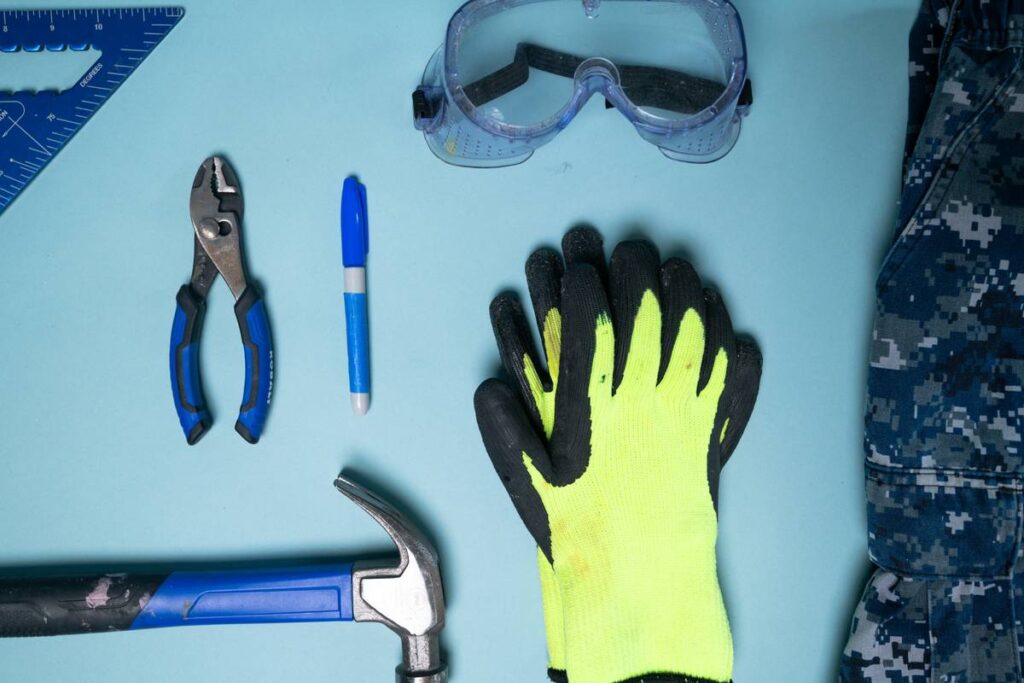
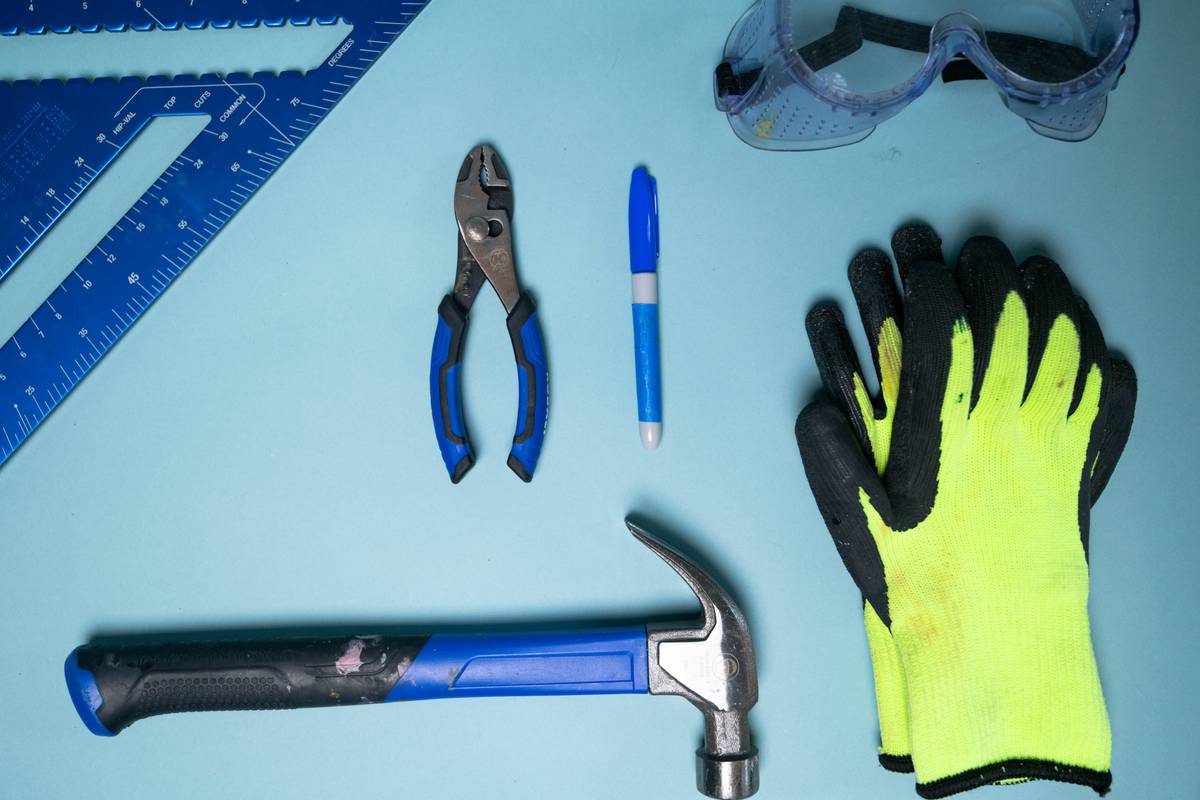
Let’s be brutally honest: most weekend warriors treat safety gear like an afterthought. Gloves? Maybe. Goggles? Only if something explodes. And that flimsy white mask from the hardware store shelf? Often worn more for “vibes” than actual protection.
But here’s the hard truth backed by science: inhalation of construction dust can cause irreversible lung damage. According to the CDC’s National Institute for Occupational Safety and Health (NIOSH), prolonged exposure to wood dust increases the risk of nasal cancer and asthma. Silica dust—common when cutting concrete, tile, or brick—is classified as a Group 1 carcinogen by the International Agency for Research on Cancer (IARC). And mold spores kicked up during basement cleanouts? They can trigger severe allergic reactions or chronic respiratory illness.
I once helped a neighbor demo a 1950s bathroom without a proper mask. Two weeks later, he was diagnosed with hypersensitivity pneumonitis—a rare lung inflammation caused by inhaling organic dust. His doctor explicitly linked it to the renovation.
Optimist You: “So I’ll just wear any old mask!”
Grumpy You: “Ugh, fine—but only if you promise it’s actually rated for the job.”
How to Choose the Right Disposable Dust Mask for Your Project
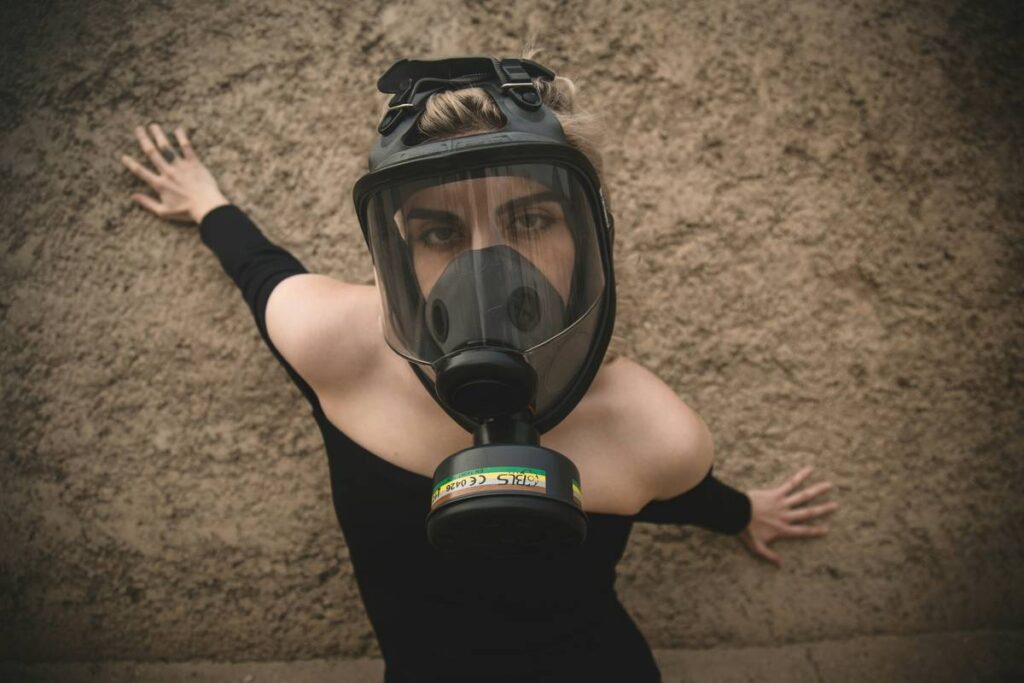
Not all masks are created equal. That $1.99 “disposable dust mask” at the big-box store might look legit—but if it lacks NIOSH certification, it’s essentially theatrical costume gear.
What Does “NIOSH-Approved” Actually Mean?
The National Institute for Occupational Safety and Health (NIOSH) sets U.S. standards for respirators. Look for labels like:
- N95: Filters ≥95% of non-oil-based particles (ideal for wood dust, drywall, pollen)
- R95/P95: For oil-based aerosols (rare in typical DIY, but relevant if using certain paints or solvents)
- “Surgical” or “procedural” masks: NOT sufficient—they block droplets but not fine particulates.
Crucially: **N95 respirators ≠ surgical masks**. The former seals tightly and filters airborne particles; the latter does neither well.
Project-Specific Recommendations
- Sanding drywall or wood: N95 (e.g., 3M 8210)
- Demolishing old plaster with possible lead/mold: N95 minimum—consider half-face elastomeric for multi-day jobs
- Cutting concrete or tile: P100 or N100 due to crystalline silica
- General cleanup or low-dust painting: Standard disposable dust mask *may* suffice—if labeled for particulate filtration
Pro tip: Always check the mask’s fit. If you have facial hair, even light stubble, it breaks the seal. I learned this after a tile-cutting session left me wheezing—my beard created micro-gaps letting silica slip through.
Best Practices for Using Disposable Dust Masks Safely
Wearing a mask isn’t enough. Here’s how to use it correctly:
- Perform a user seal check every time: Cup both hands over the mask and exhale sharply. If air leaks around your nose or cheeks, readjust or shave.
- Never reuse disposable masks: Moisture from breath degrades the electrostatic charge that traps particles. After one 4–8 hour shift, toss it.
- Store unused masks in sealed bags: Dust and humidity compromise performance.
- Replace immediately if damaged, soiled, or hard to breathe through.
Terrible Tip Alert: “Just rinse your N95 and reuse it for weeks!” Nope. Washing destroys the filtration layer. The CDC confirmed during the pandemic that limited reuse is only acceptable in healthcare emergencies—not for dusty DIY jobs.
Grumpy Optimist Corner
Optimist You: “Follow these tips and breathe easy!”
Grumpy You: “Only if you stop pretending a bandana counts as PPE.”
Real-World Case Study: A DIY Nightmare Averted
Last summer, I renovated a 1920s attic space filled with blown-in insulation (likely asbestos-free, but who knows?). Armed with an N95 (3M 8511 with exhalation valve), safety goggles, and gloves, I contained the area with plastic sheeting and worked in short bursts.
A friend tackled the same job without protection. Within hours, he developed a hacking cough and chest tightness. His urgent care visit revealed acute bronchitis—and his doctor cited “inhalation of fibrous particulates” as the likely cause.
My total mask cost? $2.75. His medical bill? $420. Not to mention lost workdays.
Moral: Respiratory protection isn’t optional—it’s the cheapest insurance you’ll ever buy.
FAQ: Safety Gear DIY Dust Mask Disposable
Are disposable dust masks reusable?
No. Once worn for a work session (especially in humid/dusty conditions), the filter media degrades. Reuse compromises protection and hygiene.
Can I use a surgical mask for sanding?
Absolutely not. Surgical masks are designed to block large droplets—not fine particulates like wood or silica dust. Use an N95 or better.
Do I need a mask for light tasks like hanging shelves?
If drilling into drywall or wood creates visible dust, yes—even brief exposure adds up over time. When in doubt, mask up.
Where can I buy NIOSH-approved disposable dust masks?
Reputable sources include hardware stores (Home Depot, Lowe’s), safety suppliers (Grainger, Fastenal), or direct from manufacturers (3M, Honeywell). Avoid unknown Amazon sellers—counterfeit N95s are rampant.
How do I know if my mask fits properly?
Perform a negative and positive pressure seal check (detailed above). If you feel air leaking around edges, it’s not sealed. Facial hair often prevents proper fit.
Conclusion
Your lungs don’t come with a “replace part” option—so treat them like the irreplaceable assets they are. Whether you’re patching drywall or demolishing a closet, investing in the right safety gear diy dust mask disposable isn’t just smart—it’s non-negotiable.
Choose NIOSH-certified (N95 minimum for most dust), ensure a proper seal, never reuse disposables, and remember: comfort shouldn’t override protection. That slight stuffiness? Better than a lifetime of breathing trouble.
Now go fix that wobbly banister—safely.
Like a 2004 Motorola Razr, your DIY skills are sleek—but without a charged battery (aka proper safety gear), they’re useless.