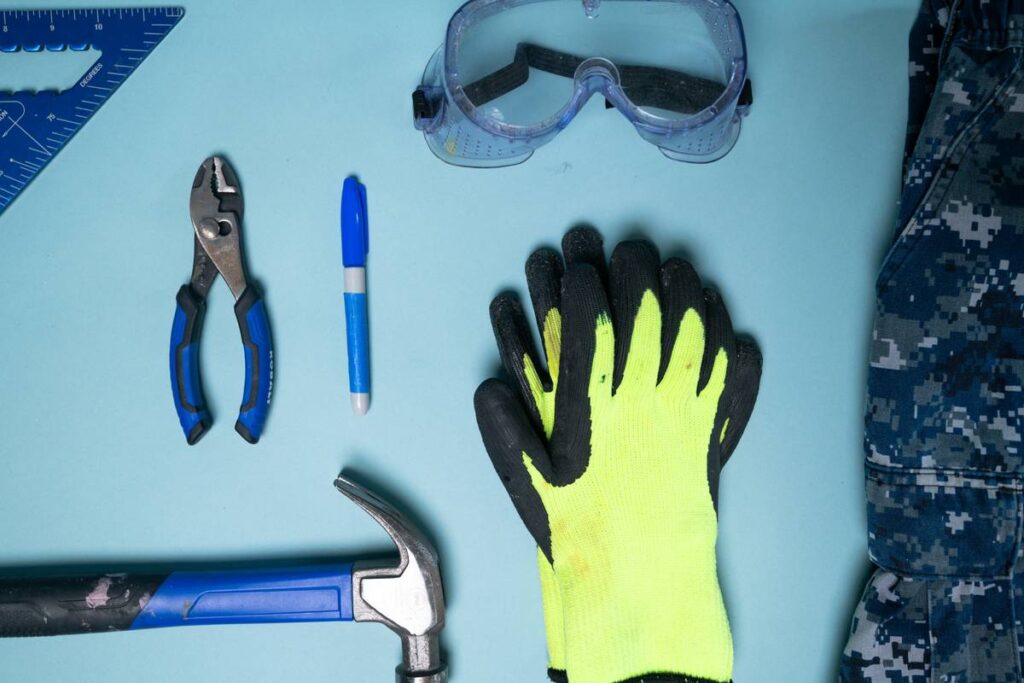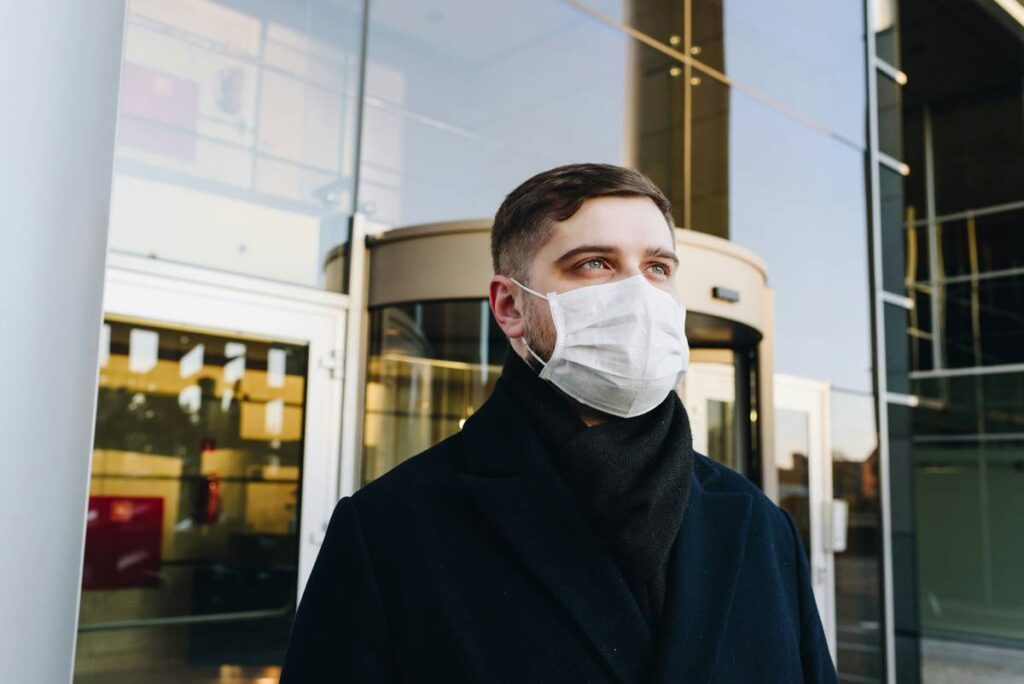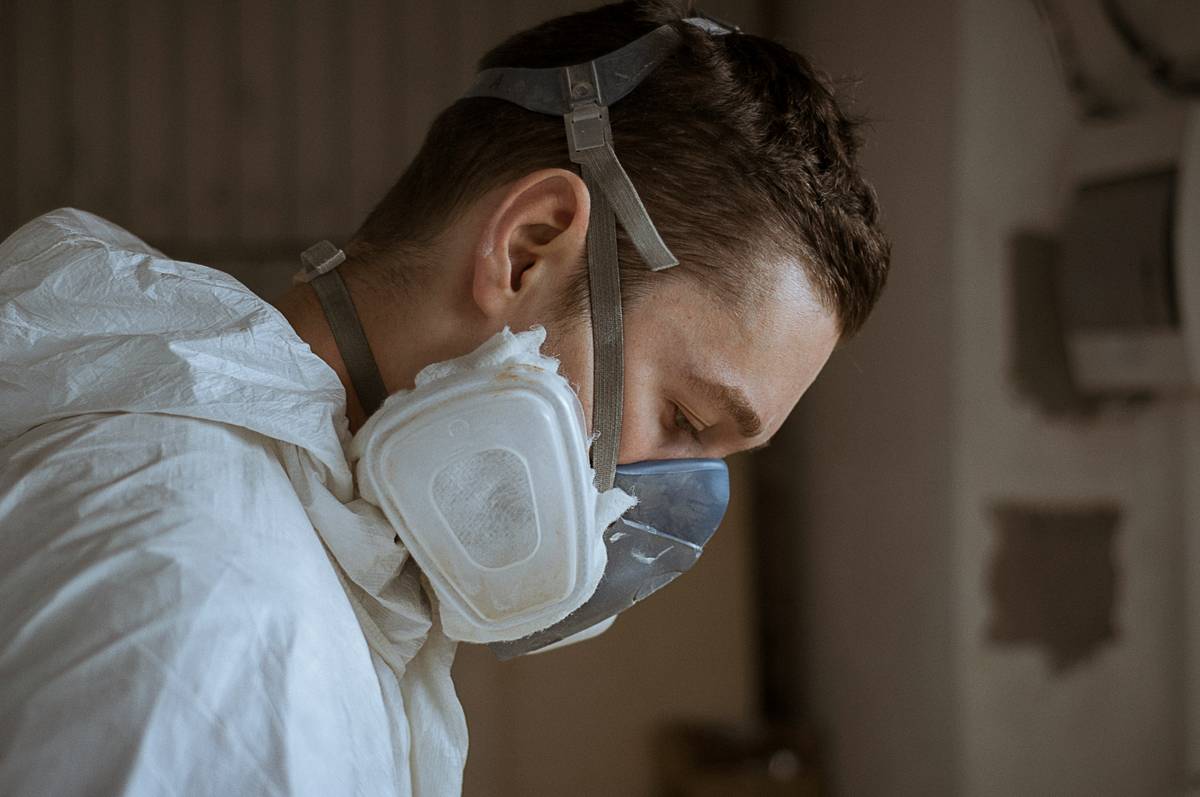
Ever sand drywall, tear out old insulation, or drill into concrete—only to spend the next two hours coughing like you inhaled a bag of chalk? Yeah. I did that last spring while renovating my 1962 bungalow’s basement. I wore what I thought was a “dust mask”: a flimsy, blue paper thing from the hardware store labeled “for nuisance dust.” Spoiler: It didn’t stop me from waking up with gritty lungs and red eyes.
If you’re tackling home DIY & repairs—from refinishing floors to patching walls—you need more than just gloves and goggles. You need the safety gear diy dust mask n95 combo that actually protects your lungs from silica, mold spores, and wood dust. Because here’s the brutal truth: Not all masks are created equal. And using the wrong one isn’t just ineffective—it’s dangerous.
In this post, you’ll learn exactly when an N95 is non-negotiable, how to spot fake or inadequate masks (yes, they’re everywhere), and real-world tips for choosing, fitting, and reusing respirators during home projects. Plus, I’ll share the $3 mistake I made that nearly sent me to urgent care—and how to avoid it.
Table of Contents
- Why Dust Isn’t Just an Annoyance—It’s a Health Hazard
- Step-by-Step: Choosing the Right N95 for Home DIY
- Best Practices for Wearing and Reusing N95 Masks
- Real-World Case Study: My Basement Nightmare (and What I Learned)
- FAQ: Safety Gear DIY Dust Mask N95
Key Takeaways
- Nuisance dust masks (like blue surgical-style ones) do not filter harmful particles like silica or mold—they’re only for pollen or light sawdust.
- An N95 respirator is required by OSHA for tasks generating crystalline silica (e.g., cutting tile, sanding concrete).
- Look for NIOSH approval (not FDA!)—check for “NIOSH” and “N95” printed on the mask itself.
- Fit matters: A leaky seal = zero protection. Perform a user seal check every time.
- Homeowners can reuse N95s safely if stored dry and undamaged—but never wash them.
Why Dust Isn’t Just an Annoyance—It’s a Health Hazard
Let’s get real: Most DIYers treat dust like a minor inconvenience. You wipe it off your coffee table, sneeze a few times, and move on. But the invisible particles kicked up during home repairs—wood dust, drywall gypsum, concrete silica, lead paint chips—are linked to serious long-term health issues.
According to the CDC’s National Institute for Occupational Safety and Health (NIOSH), inhaling crystalline silica (found in concrete, brick, and mortar) can cause silicosis—a incurable lung scarring disease—and increases the risk of lung cancer and COPD. Even wood dust is classified as a Group 1 carcinogen by the International Agency for Research on Cancer (IARC).
And no, your “dust mask” from the 10-pack at Home Depot won’t cut it. Those are typically labeled “nuisance masks” or “comfort masks,” designed only for non-toxic particulates like pollen or flour. They lack a tight seal and proper filtration media.
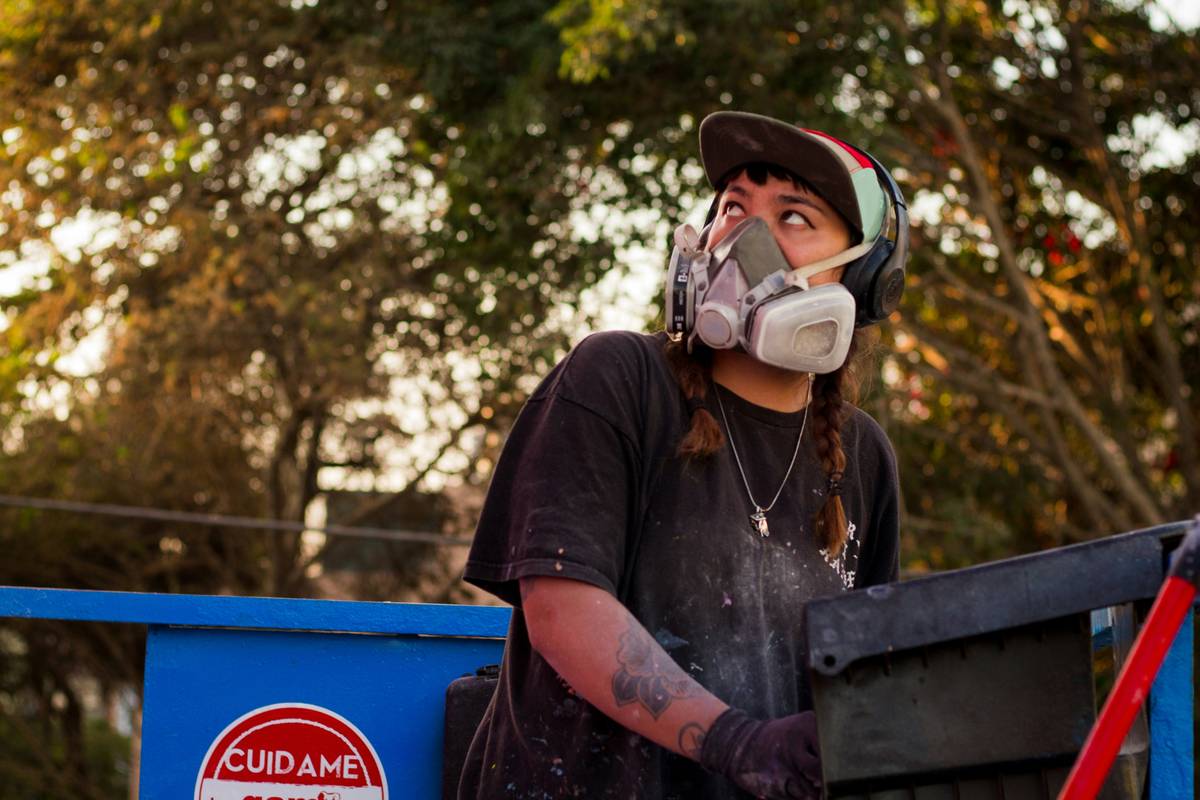
Grumpy You: “Ugh, do I really need to geek out over mask specs just to hang shelves?”
Optimist You: “Yes—if you want to keep breathing easily at 60.”
Step-by-Step: Choosing the Right N95 for Home DIY
How do I know if I need an N95 for my home project?
If your task involves any of the following, you need at least an N95:
- Sanding drywall or joint compound
- Cutting, grinding, or drilling concrete, brick, or stone
- Removing old insulation (may contain mold or fiberglass)
- Stripping lead-based paint (pre-1978 homes)
- Working in attics or crawl spaces with visible dust buildup
What should I look for on the mask itself?
Forget packaging claims. Check the mask for:
- “NIOSH” in block letters
- “N95” designation
- Approval number (e.g., TC-84A-XXXX)
- No exhalation valve if working around others (valves don’t filter outgoing air)
Avoid anything labeled “FDA-approved” alone—that’s for medical use, not particulate filtration.
Which brands are legit for home use?
Stick with NIOSH-certified manufacturers like:
- 3M (models 8210, 8511)
- Honeywell (DF300, H910)
- KC Secure (Pleats Plus N95)
Pro tip: Buy from authorized retailers (Home Depot, Lowe’s, Grainger)—not random Amazon third-party sellers. Counterfeit N95s flooded the market during the pandemic; many still linger.
Best Practices for Wearing and Reusing N95 Masks
How to ensure a proper fit (because leaks ruin everything)
- Shave clean: Beards break the seal. Even stubble matters.
- Position correctly: Nose clip over bridge, bottom under chin.
- Perform a seal check: Cover mask with hands, inhale sharply—you should feel the mask pull inward with no air leaking around edges.
Can I reuse an N95 for multiple DIY sessions?
Yes—as long as:
- It’s not soiled, damaged, or deformed
- You store it in a breathable paper bag between uses (never plastic!)
- You haven’t worn it during high-exposure tasks like mold remediation
NIOSH guidelines say N95s can be reused by the same person if handled properly. Never wash or disinfect with alcohol—it destroys the electrostatic charge that traps particles.
Terrible Tip Disclaimer ⚠️
“Just wear a bandana or a wet towel—it’s basically the same!”
Nope. Cloth offers near-zero filtration for fine particulates. This isn’t survivalist camping; it’s lung protection. Don’t gamble.
Real-World Case Study: My Basement Nightmare (and What I Learned)
Last March, I demolished a crumbling plaster wall in my basement—old house, no idea what was behind it. I wore a blue “dust mask” because, hey, it looked like regular construction debris.
Two days later, I developed a hacking cough, chest tightness, and low-grade fever. My doctor suspected acute bronchitis from inorganic dust exposure. Turns out, the wall contained horsehair plaster laced with decades of accumulated mold and silica dust. Had I worn a proper N95, I’d have avoided a $200 urgent care visit and three days of misery.
Lesson learned: Assume the worst until proven otherwise. Now, my DIY toolkit includes a 3M 8210 N95 for any dusty task—and I keep extras in my truck. It costs less than a pizza and protects more than seatbelts ever could.
FAQ: Safety Gear DIY Dust Mask N95
Is an N95 the same as a KN95?
No. N95s follow U.S. NIOSH standards; KN95s follow Chinese standards. While some KN95s perform similarly, many are counterfeit or fail U.S. filtration tests. For home DIY, stick with NIOSH-approved N95s to guarantee protection.
Do I need eye protection too?
Absolutely. Dust irritates eyes and can carry pathogens. Pair your N95 with ANSI-approved safety goggles (look for “Z87+” marking).
Can kids wear N95s?
NIOSH doesn’t certify N95s for children—their faces are too small for a proper seal. Use child-sized PPE from trusted safety brands if minors must be near work zones (though better yet: keep them away entirely).
How long does an N95 last during a project?
Typically 8–10 hours of continuous use. Replace immediately if it becomes hard to breathe through, wet, or visibly dirty.
Conclusion
Your lungs don’t come with a reset button. When you’re elbow-deep in a home DIY repair, skipping proper safety gear diy dust mask n95 protection might save you $3 today—but cost you years of health down the line.
Remember: Nuisance masks ≠ N95s. NIOSH approval is non-negotiable. Fit checks aren’t optional. And yes, even weekend warriors need industrial-grade defense against invisible threats.
So next time you fire up the sander or pry open that attic hatch, ask yourself: “Would I let my kid breathe this air unprotected?” If the answer’s no—gear up like a pro.
Like a Tamagotchi, your lungs need daily care—even during demo day.