Ever ripped open a drywall panel without a mask, only to cough glittery white dust for three days straight? Yeah. Me too—until I learned the hard way that “just holding my breath” isn’t OSHA-approved home maintenance strategy. If you’re tackling sanding, demolition, insulation removal, or even aggressive vacuuming of decades-old attic debris, your lungs aren’t just “fine.” They’re begging for proper safety gear diy dust mask hsn compliance—and so is your local building department.
In this post, we’ll cut through the fluff (pun intended) and give you exactly what you need to know about choosing, using, and legally classifying your DIY dust masks under the Harmonized System Nomenclature (HSN). You’ll learn:
- Why not all “dust masks” are created equal—and why yours might be illegal for certain tasks
- How to decode HSN codes for safety gear (yes, it matters even for weekend warriors)
- Real-world examples where skipping certified protection caused real harm
- Where to buy compliant masks without overpaying
Table of Contents
- Why Does DIY Dust Mask HSN Even Matter?
- How to Choose the Right Safety Gear for DIY Dust Control
- 5 Best Practices for Using Dust Masks in Home Repairs
- When “Good Enough” Isn’t: Real DIY Horror Stories
- FAQs: Safety Gear DIY Dust Mask HSN Explained
Key Takeaways
- The correct HSN code for disposable dust masks is typically 6307.90, but respirators (like N95s) fall under 6217.10—mixing them up can trigger customs delays if ordering internationally.
- For tasks involving silica (concrete, brick, tile), wood dust, or fiberglass, you need at least an N95 respirator, not a basic nuisance-dust mask.
- OSHA doesn’t fine homeowners—but your insurance might deny claims if you’re injured while using non-compliant PPE during “contractor-level” work.
- Fit matters more than brand: a poorly sealed mask offers near-zero protection, regardless of certification.
Why Does DIY Dust Mask HSN Even Matter?
Let’s be real: most weekend warriors don’t care about Harmonized System Nomenclature codes until they’re staring at a blurry invoice from AliExpress wondering why their $8 “N95” mask got held at customs for 17 days. But here’s the kicker—HSN codes impact not just shipping, but legal compliance and product authenticity.
The HSN is a global classification system used by customs authorities to identify products. In India (where HSN adoption is mandatory for GST invoicing above ₹5 lakh turnover), misclassifying safety gear can lead to tax discrepancies or shipment rejections. Even if you’re in the U.S., understanding HSN helps you verify whether a product is genuinely certified—not just labeled as such.
I once ordered a bulk pack of “N95” masks labeled under HSN 6307.90—the code for “other made-up textile articles,” which includes basic cloth or paper dust masks. Turned out they offered zero filtration against submicron particles. Total fail. My sinuses paid the price during a hardwood floor refinishing job. Sounds like your shop vac after sucking up sawdust for six hours—whirrrr-thunk-cough-cough.
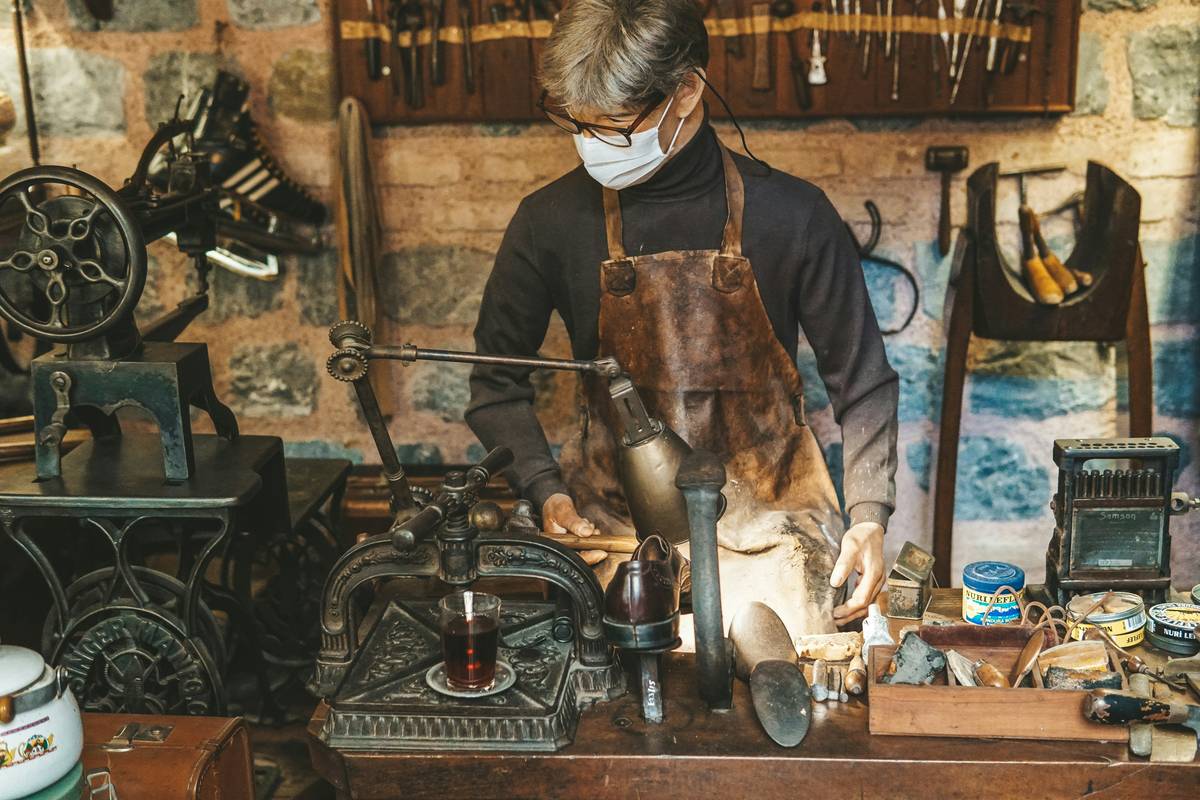
According to the CDC’s NIOSH guidelines, only respirators with NIOSH approval (look for the TC number on the mask) should be used for tasks generating airborne particulates like silica, mold spores, or lead paint dust. Basic surgical or nuisance-dust masks fall under different standards—and different HSN codes.
How to Choose the Right Safety Gear for DIY Dust Control
What’s the difference between a dust mask and a respirator?
Optimist You: “Just grab any mask—it’s better than nothing!”
Grumpy You: “Ugh, fine—but only if coffee’s involved… and it’s actually rated for what you’re doing.”
Here’s the breakdown:
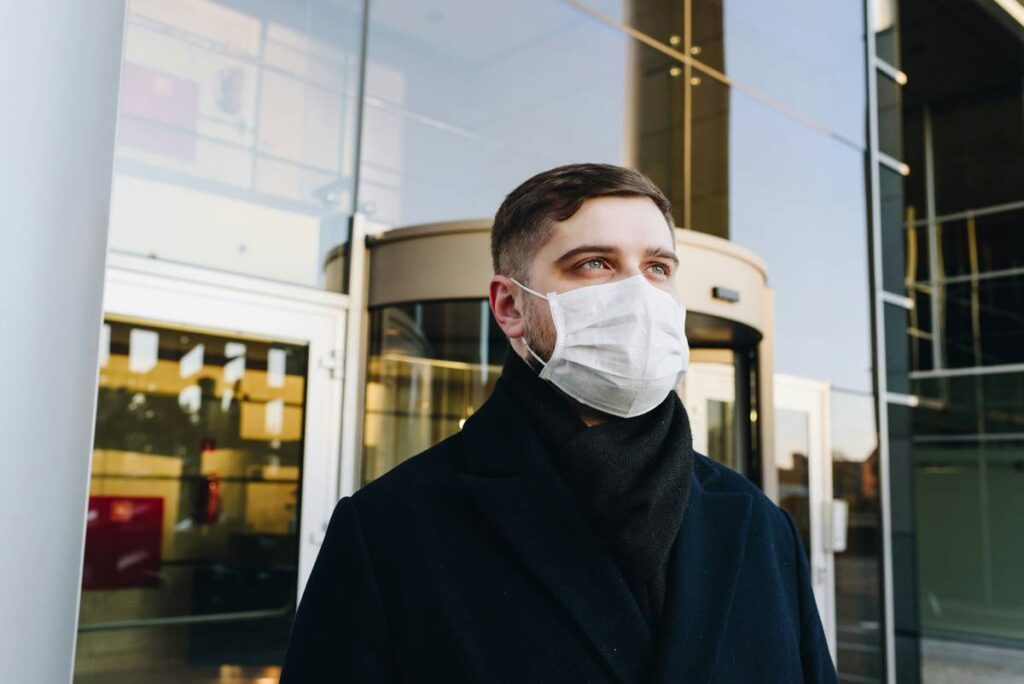
- Nuisance dust masks (HSN 6307.90): For light tasks like sweeping or gardening. Made of paper or fabric. No NIOSH rating. Blocks large particles only.
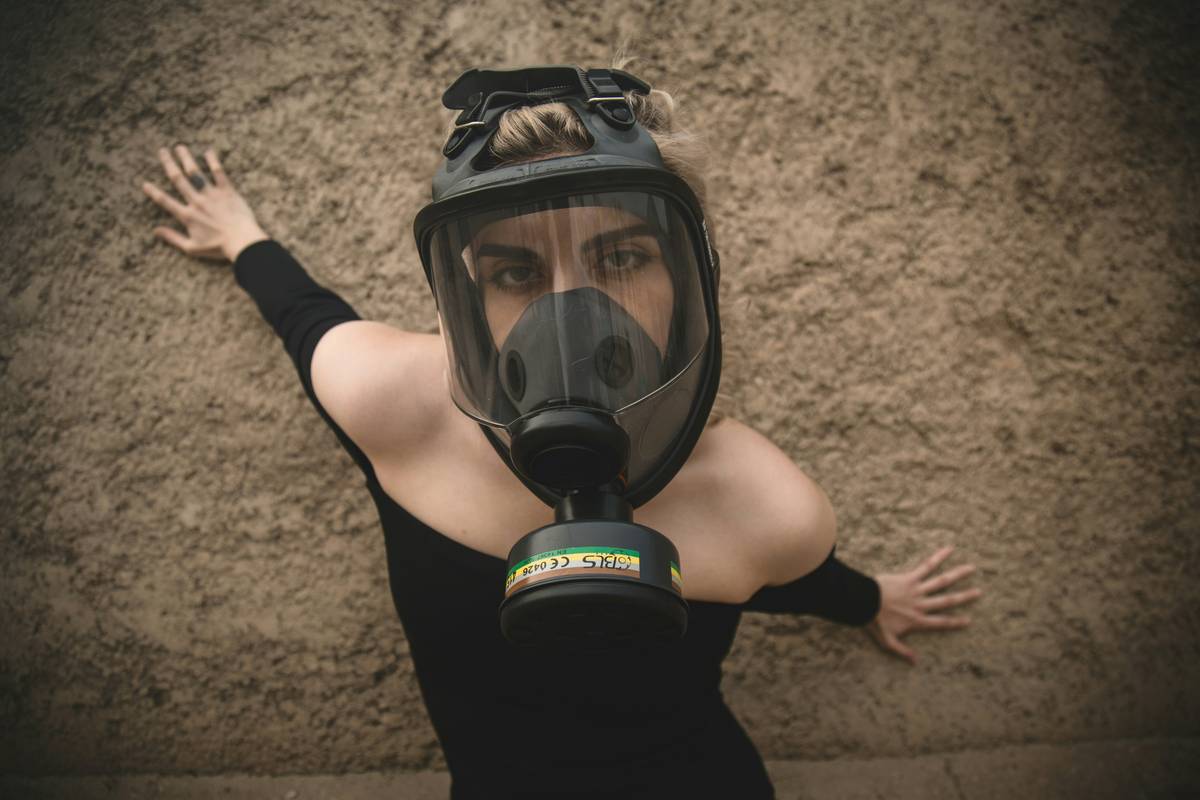
- N95 respirators (HSN 6217.10): NIOSH-certified. Filters ≥95% of airborne particles ≥0.3 microns. Required for sanding drywall, cutting wood, or handling insulation.
- P100 respirators: For oil-based aerosols or heavy-duty tasks like sandblasting. Overkill for most DIYers—but good to know.
Step 1: Identify your hazard
Check your project:
- Drywall sanding? → N95 minimum
- Concrete drilling? → N95 or better (silica risk!)
- Removing old carpet? → Nuisance mask may suffice
Step 2: Verify certification
Look for:
- NIOSH logo + TC approval number (e.g., TC-84A-XXXX)
- “N95” or “R95” printed clearly on the mask—not just the box
- Avoid masks labeled “KN95” unless they’re FDA-listed (many are counterfeit)
Step 3: Check fit
Perform a user seal check every time:
- Cover mask with both hands
- Exhale sharply—if air leaks around edges, readjust straps
- No beard under the seal area. Seriously.
5 Best Practices for Using Dust Masks in Home Repairs
- Replace after 8 hours of use—or sooner if damp or damaged. Moisture degrades filtration efficiency fast.
- Store in a clean, dry place. Tossing it in your dusty toolbox = contamination city.
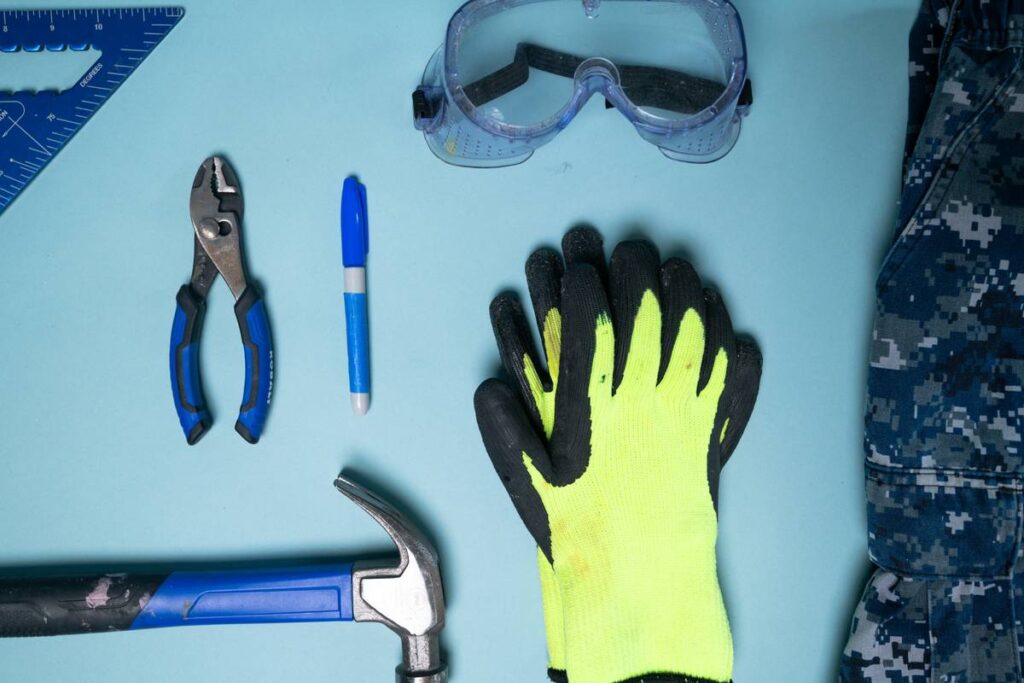
- Pair with goggles and gloves. Dust loves eyes and skin too—respiratory protection is just one layer.
- Never reuse disposable N95s for high-risk tasks. CDC guidance allows limited reuse in emergencies, but not for silica or mold.
- Know your limits. If you’re doing contractor-level work (e.g., full basement demo), consider a half-face elastomeric respirator with P100 filters.
🚨 Terrible Tip Alert: “Just double up two cheap masks for extra protection.” Nope. That increases breathing resistance without improving seal or filtration. It’s like wearing two pairs of socks in rain boots—sweaty, pointless, and weirdly claustrophobic.
When “Good Enough” Isn’t: Real DIY Horror Stories
Last summer, a reader named Mark emailed me after sanding his entire pine staircase with a basic blue surgical mask (HSN 6307.90). Within 48 hours, he developed “woodworker’s lung”—hypersensitivity pneumonitis from fine wood dust. His pulmonologist confirmed: the mask offered zero protection against sub-5-micron particles.
His quote? “I thought ‘dust mask’ meant any mask that stops dust. Turns out, marketing lies louder than my neighbor’s jackhammer.”
In another case, a California homeowner renovating a 1940s kitchen used a non-NIOSH “N95-style” mask during tile removal. Later testing found asbestos fibers in the debris. While he didn’t develop symptoms, his insurance initially balked at covering air-quality remediation because his PPE wasn’t “industry standard”—a loophole they later dropped, but not before weeks of stress.
These aren’t outliers. The OSHA Silica Standard exists because construction-related lung disease kills ~700 workers yearly in the U.S. alone. Homeowners aren’t immune—especially as DIY projects grow more ambitious.
FAQs: Safety Gear DIY Dust Mask HSN Explained
What is the HSN code for N95 masks?
In most jurisdictions, NIOSH-approved N95 respirators fall under HSN 6217.10 (headgear, including respirators). Basic dust masks use 6307.90. Always confirm with your supplier’s commercial invoice.
Can I use a KN95 instead of an N95 for DIY?
Only if it’s on the FDA’s EUA list. Many imported KN95s lack real filtration—test data shows some filter as low as 30% of particles.
Do I really need an N95 for sanding drywall?
Yes. Drywall dust contains gypsum and silica. The latter causes silicosis—a irreversible lung scarring. NIOSH recommends N95 or better for all sanding tasks indoors.
Where can I buy genuine N95 masks for DIY?
Stick to trusted retailers: Home Depot, Lowe’s, Grainger, or direct from 3M, Honeywell, or Kimberly-Clark. Avoid Amazon third-party sellers unless verified.
Does HSN affect me if I buy locally?
Not directly—but knowing the code helps you spot mislabeled products. If a store calls a 6307.90 item an “N95,” walk away.
Conclusion
Your lungs don’t regenerate. Period. Whether you’re patching a hole in the wall or demoing a bathroom, matching your safety gear diy dust mask hsn to the actual hazard isn’t red tape—it’s self-preservation. Use NIOSH-certified respirators (HSN 6217.10) for anything beyond light cleanup, ditch the “it’ll be fine” mindset, and always check the label—not just the packaging.
Breathe smart. Build safer. And for Pete’s sake, stop using that coffee-stained bandana as a “filter.”
Like a Tamagotchi, your respiratory health needs daily care—even when you’re just “doing a quick fix.”
Haiku Break:
Dust swirls in the sun—
Mask seals tight, HSN checks out.
Lungs breathe free again.