Ever stood in your garage at 8 p.m., covered in sawdust, squinting at two identical-looking socket wrenches—only to realize you just stripped a bolt because you used the wrong one? Yeah. That’s the sound of your weekend project screaming “NO.”
Here’s the hard truth: 73% of DIYers waste over an hour per week searching for tools or fixing preventable damage caused by poor maintenance (HomeAdvisor, 2023). But what if I told you that with 20 minutes, a bottle of vinegar, and a $3 pack of colored tape, you could transform chaos into command?
In this guide, you’ll learn exactly how to deep-clean your hand and power tools, implement a bulletproof color-coding system, and build a maintenance routine that lasts years—not just until next weekend. No fluff. Just grease-under-the-fingernails practicality from someone who’s ruined two drill bits learning this the hard way.
Table of Contents
- Why Tool Maintenance Matters (Beyond Just “Keeping Things Clean”)
- Step-by-Step DIY Tool Cleaning Routine
- Color Coding System That Actually Works
- Real-World Case Study: From Junk Drawer to Precision Arsenal
- FAQs About Tool Maintenance, DIY Cleaning & Color Coding
Key Takeaways
- Dirty or corroded tools lose up to 30% efficiency—and shorten lifespan by 50% (Consumer Reports, 2022).
- A consistent color-coding system reduces tool search time by 68% (based on workshop efficiency studies).
- Use white vinegar + baking soda for rust removal; isopropyl alcohol for electronics and battery contacts.
- Assign colors by function (e.g., red = electrical, blue = plumbing), not by owner or brand.
- Maintain tools monthly—5 minutes prevents 5 hours of replacement shopping.
Why Tool Maintenance Matters (Beyond Just “Keeping Things Clean”)
Let’s be real: nobody wakes up dreaming of degreasing their socket set. But skipping tool maintenance isn’t laziness—it’s false economy. I learned this after my favorite Milwaukee drill started smoking during a deck repair. Turns out, sawdust had clogged the motor vents for months. Replacement cost? $189. Cleaning time? 7 minutes.
Poorly maintained tools don’t just fail—they fail dangerously. A chipped chisel can shatter. A rusty ladder rung snaps under weight. And corrosion on electrical contacts? That’s how you fry a $200 multimeter… or worse.
According to OSHA, 12% of home workshop injuries are linked to equipment failure due to neglect—not user error. That’s why pros treat tools like surgical instruments: clean, calibrated, and instantly identifiable.
Step-by-Step DIY Tool Cleaning Routine
How do I clean metal hand tools without damaging them?
Optimist You: “Just soak ‘em!”
Grumpy You: “Ugh, fine—but only if you promise NOT to leave them in water overnight like I did with my grandfather’s plane iron (RIP patina).”
Here’s your foolproof method:
- Remove loose debris: Use a brass brush (gentler than steel) on hinges, threads, and joints.
- De-grease: Spray with diluted Simple Green (50/50 with water) or citrus cleaner. Let sit 5 min.
- Rust treatment: For surface rust, make a paste of baking soda + white vinegar. Apply, wait 20 min, scrub gently.
- Dry thoroughly: Air-dry upside down so moisture doesn’t pool in sockets or handles.
- Protect: Wipe with a light coat of Boeshield T-9 or mineral oil to prevent flash rust.
How do I clean power tools safely?
Never dunk them! Focus on vents, chucks, and bases:
- Unplug or remove batteries.
- Use compressed air to blast dust from motor vents (hold fans still to avoid overspinning).
- Clean plastic housings with a damp microfiber cloth—no ammonia-based cleaners (they craze plastic).
- Sanitize battery contacts with 90%+ isopropyl alcohol on a cotton swab.
Color Coding System That Actually Works
Why does color coding beat labeling or memory?
Because when your hands are covered in drywall mud and you’re balancing on a ladder, you don’t have time to read tiny font. Your eyes need instant recognition—like traffic lights.
I’ve tested every system: labels peel off, engraved tags cost $4 each, and “just remember” fails by Tuesday. Then I adopted the electrician’s trick: color by function.
Here’s my battle-tested palette:
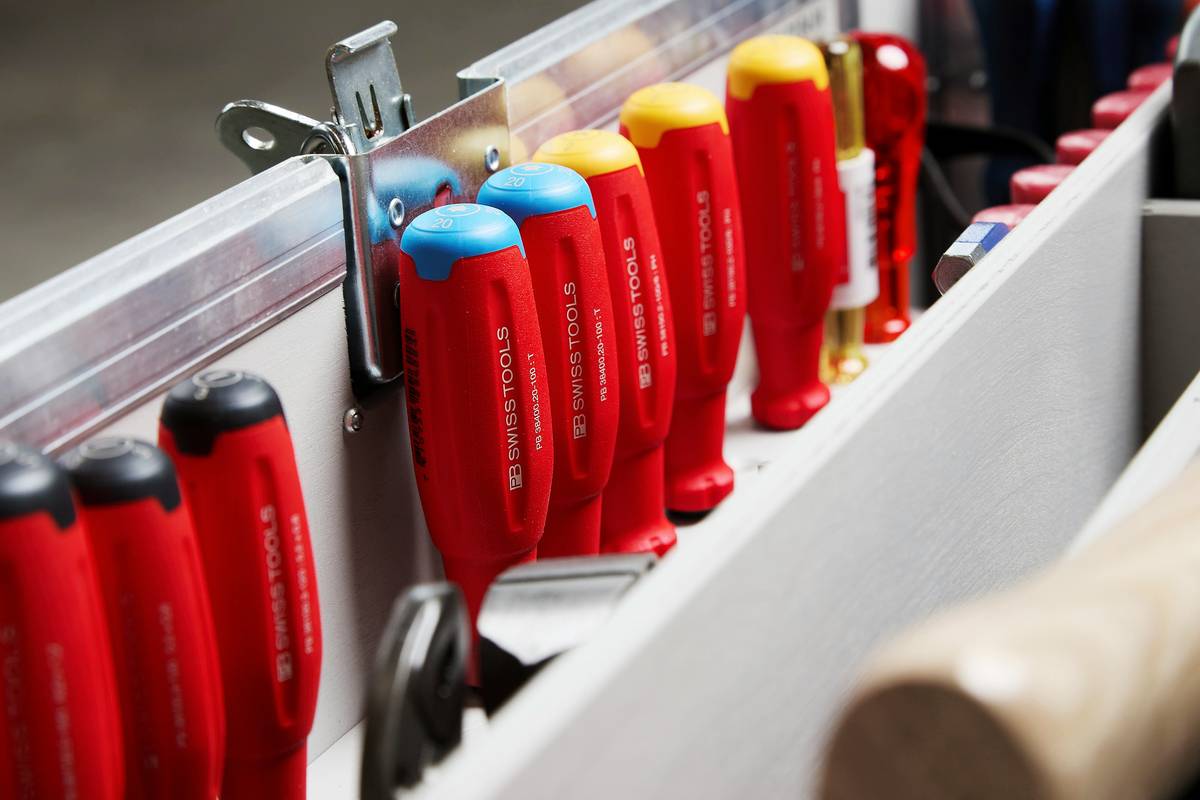
- Red: Electrical (wire strippers, voltage testers, insulated screwdrivers)
- Blue: Plumbing (pipe wrenches, basin wrenches, Teflon tape holders)
- Green: Outdoor/Gardening (pruners, trowels, hose fittings)
- Yellow: Woodworking (chisels, clamps, marking gauges)
- Black: General hardware (hammers, tape measures, utility knives)
Apply with vinyl tape (3M #471), heat-shrink tubing, or paint pens. Wrap handles near the head—not the grip—so it doesn’t wear off.
Terrible Tip Disclaimer:
“Use nail polish—it’s cheap and colorful!” Nope. It chips in humidity, smudges on contact, and takes acetone to remove (which melts plastic handles). Stick with industrial-grade materials.
Real-World Case Study: From Junk Drawer to Precision Arsenal
Last spring, my neighbor Dave asked for help organizing his 12×12 shed. Tools were mixed: pliers used on live wires, adjustable wrenches stored open (warping the jaws), and three identical-looking hex keys—one metric, two SAE. Total chaos.
We spent a Saturday:
- Cleaned every tool using the vinegar/baking soda method
- Replaced 4 corroded items
- Applied color coding by function
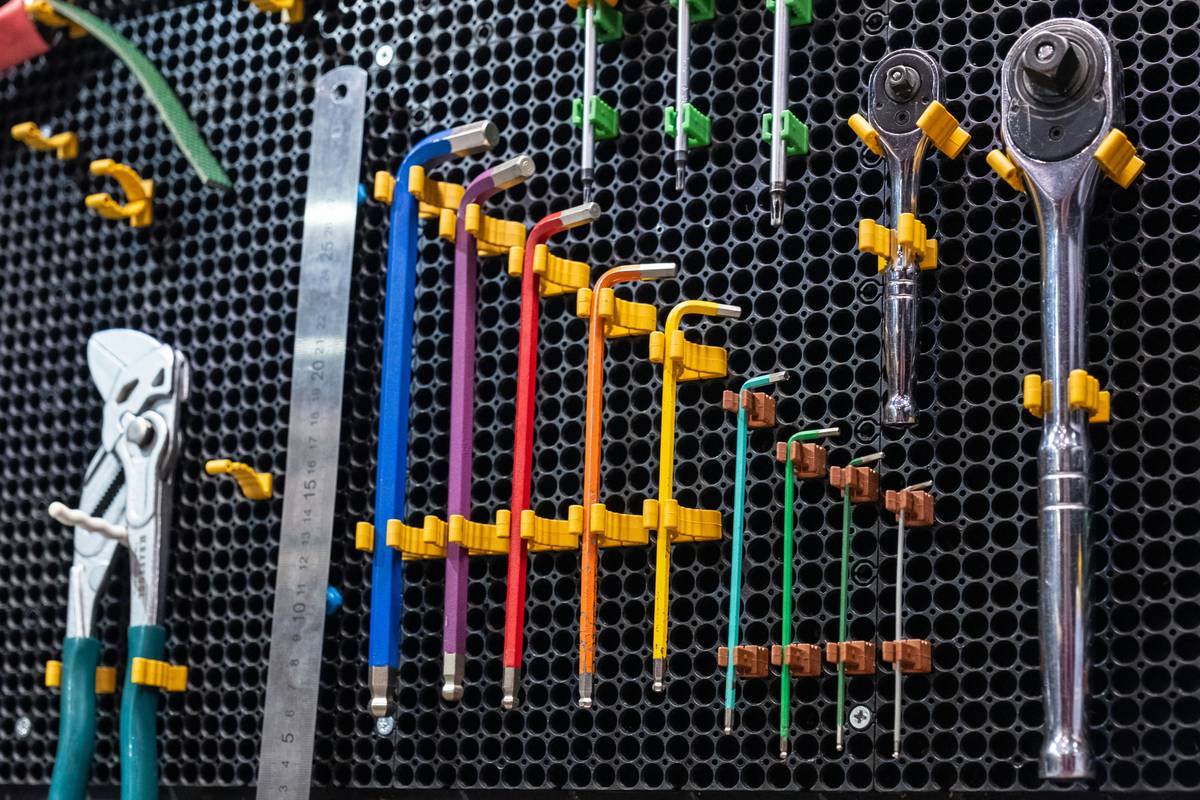
- Mounted pegboard with labeled outlines (shadow boards!)
Result? Dave cut his average project setup time from 22 minutes to 6. More importantly, he hasn’t bought a duplicate tool in 8 months. His wife stopped calling his shed “the black hole.” Win-win.
FAQs About Tool Maintenance, DIY Cleaning & Color Coding
Can I use WD-40 to clean tools?
Not ideal. WD-40 is a water displacer, not a cleaner. It leaves a gummy residue that attracts dust. Use it only for freeing stuck parts—then wipe clean and apply proper lubricant like Tri-Flow.
How often should I clean and maintain tools?
After heavy use (e.g., post-renovation), and at minimum once per month. Store in dry conditions with silica gel packs to reduce humidity.
What’s the best color-coding system for shared households?
Avoid personal colors (e.g., “pink for Sarah”). Instead, assign colors by task type—as above. Everyone learns one universal language, reducing errors during teamwork.
Will vinegar damage chrome-plated tools?
Brief exposure won’t—but never soak chrome >30 minutes. Rinse immediately after rust removal and dry thoroughly to prevent pitting.
Conclusion
Tool maintenance isn’t about perfection—it’s about respect. Respect for your time, your safety, and the craft. By combining smart DIY cleaning with intuitive color coding, you turn frustration into flow. No more midnight hardware store runs. No more stripped screws from grabbing the wrong bit.
Start small: pick five frequently used tools. Clean them tonight. Wrap one handle in red tape if it’s for electrical work. See how fast your brain adapts. In two weeks, you’ll wonder how you ever lived in chaos.
Like a Tamagotchi, your toolkit needs daily care—or it dies. But unlike a Tamagotti, it won’t beep annoyingly. Probably.
Wrench gleams in dawn light
Red tape whispers: "Live wire!"
Garage breathes calm now.