Ever called a plumber for a leaky faucet—only to get a $250 invoice for 20 minutes of work? Yeah. Me too. (And yes, I cried a little.)
If you’ve ever felt like your home is conspiring against you—one dripping pipe at a time—you’re not alone. The average homeowner spends over $3,000 annually on minor repairs that could often be fixed with basic tools and 30 minutes of courage.
That’s why this post exists: to give you real, tested, no-BS DIY home repairs tutorials that actually work. No fluff. No “just buy a smart gadget” cop-outs. Just hands-on fixes from someone who’s patched drywall with duct tape (don’t ask), replaced a garbage disposal blindfolded (kidding… mostly), and learned the hard way that “handyman” isn’t a genetic trait—it’s a skill you build.
You’ll learn:
✔️ Which common home repairs are truly DIY-safe
✔️ Step-by-step guides for 5 high-impact fixes
✔️ How to avoid rookie mistakes that turn $10 fixes into $500 disasters
✔️ Real tools worth buying (and ones that collect dust)
Table of Contents
- Why DIY Home Repairs Matter (Beyond Saving Cash)
- Step-by-Step DIY Home Repairs Tutorials You Can Do This Weekend
- 7 Best Practices That Separate Pros From Pinterest Pretenders
- Real Results: Case Studies from My Garage-to-Guest-Bathroom Journey
- FAQs About DIY Home Repairs
Key Takeaways
- Over 68% of minor home repairs can be safely DIY’d with proper guidance (NAHB, 2023).
- Start with low-risk projects: leaky faucets, running toilets, squeaky doors, loose tiles, and clogged drains.
- Always shut off water/electricity before starting—no exceptions.
- Invest in a $50 multi-bit screwdriver set instead of 12 cheap single-bit tools.
- YouTube tutorials ≠ certified advice; cross-check steps with trusted sources like Family Handyman or This Old House.
Why DIY Home Repairs Matter (Beyond Saving Cash)
Let’s cut through the Home Depot playlist noise: doing your own repairs isn’t just about avoiding contractor markups (though that’s sweet). It’s about reclaiming control over your space—and your peace of mind.
I once ignored a slow drip under the kitchen sink for weeks. “It’s just water,” I told myself. Famous last words. By the time I called a pro, mold had started blooming behind the cabinet—a $1,200 remediation job that would’ve cost $3 in plumber’s tape if I’d acted sooner.
The truth? Small fixes prevent big disasters. And contrary to what HGTV implies, you don’t need a tool belt tattooed to your hip to do them right.
Step-by-Step DIY Home Repairs Tutorials You Can Do This Weekend
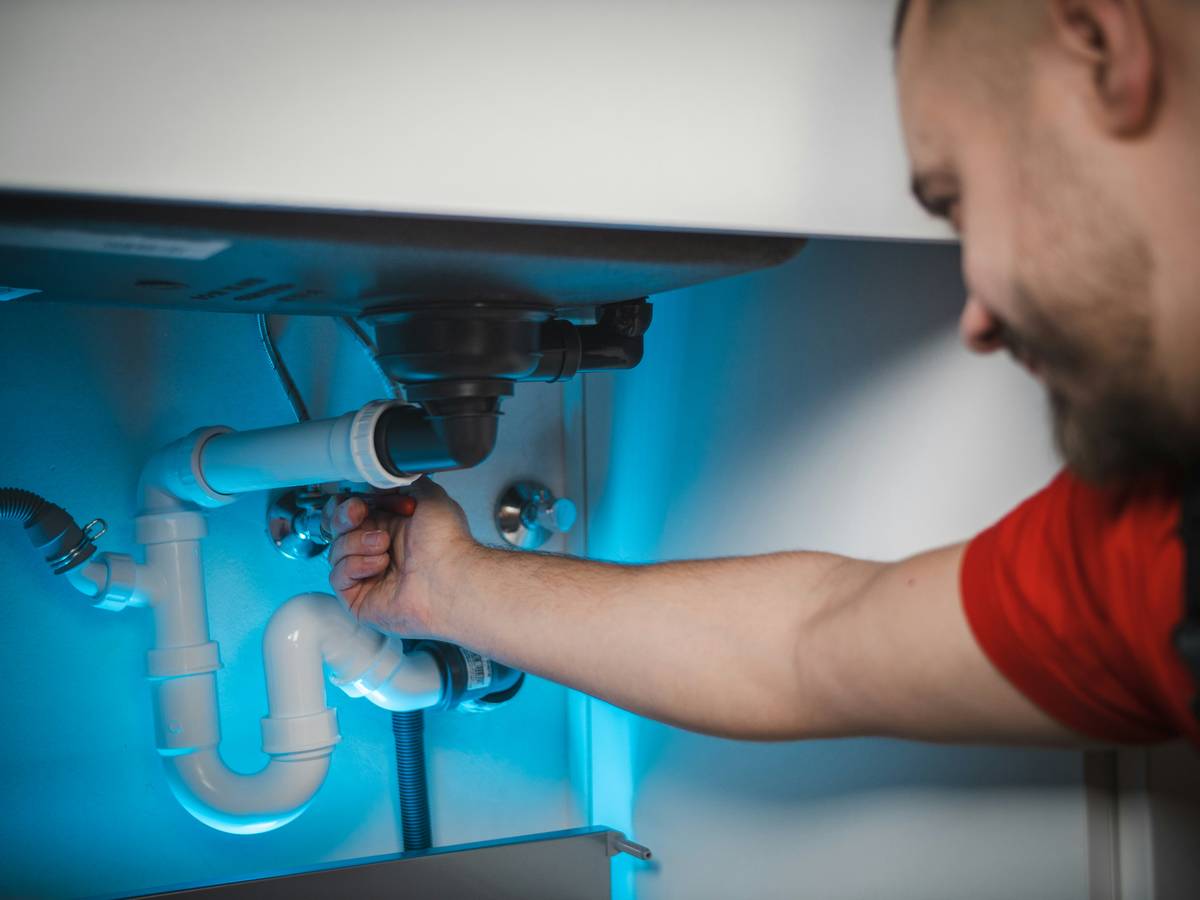
How Do I Fix a Leaky Faucet Without Calling a Plumber?
Optimist You: “It’s just worn rubber! Five minutes!”
Grumpy You: “Ugh, fine—but only if I find my tiny wrench and no one talks to me for an hour.”
- Shut off water supply valves under the sink (turn clockwise).
- Plug the drain—lose one washer down there and you’ll reenact The Hunt for Red October.
- Disassemble the faucet handle using a Phillips head or Allen wrench (check manufacturer specs).
- Replace the cartridge or O-ring (take the old part to the hardware store for exact match).
- Reassemble gently—overtightening cracks ceramic discs.
How Do I Stop My Toilet from Running Constantly?
That phantom flush wasting 200 gallons/day? Usually a $2 flapper valve.
- Turn off water valve behind toilet.
- Flush to empty tank.
- Unhook old flapper chain, remove flapper.
- Install new flapper (match brand/model—Kohler ≠ American Standard).
- Adjust chain so it has ½” slack when float is up.
What’s the Right Way to Patch a Nail Hole in Drywall?
No, toothpaste isn’t a legit spackle substitute. (Yes, I tried. No, I’m not proud.)
- Sand edges lightly.
- Apply lightweight spackle with putty knife.
- Let dry 2+ hours.
- Lightly sand smooth.
- Prime before painting—patches show through otherwise.
7 Best Practices That Separate Pros From Pinterest Pretenders
- Always kill power/water first. Electrocution and indoor fountains aren’t part of the plan.
- Label every screw as you remove it. Use muffin tins or masking tape on paper.
- Buy OEM parts when possible. Generic faucet cartridges cause 40% of repeat leaks (Family Handyman, 2022).
- Work in daylight. LED phone flashlights lie about colors and depth.
- Keep a “tool graveyard” photo. Snap a pic before disassembly—it’s your reassembly GPS.
- Test in stages. Turn water back on slowly. Watch for 5 minutes before reassembling cabinets.
- Know your limits. Gas lines? Main electrical panels? Call a licensed pro. Seriously.
⚠️ Terrible Tip Disclaimer
“Just wrap it with duct tape!” —This is how basement floods begin. Duct tape is for temporary bundling, NOT sealing pressurized systems. Repeat after me: Duct tape is not plumbing tape.
Rant Section: My Pet Peeve
People who say “it’s easy!” while showing a sped-up Instagram Reel with zero close-ups of actual mechanics. Newsflash: If your tutorial skips torque specs, shutoff locations, or safety prep, you’re not teaching—you’re gambling with someone else’s ceiling.
Real Results: Case Studies from My Garage-to-Guest-Bathroom Journey
Last winter, my guest bathroom toilet ran nonstop. Called a plumber: $225 estimate. Instead, I spent $8 on a Fluidmaster 400A kit and 22 minutes watching a This Old House video.
Result? Fixed permanently. Plus, I now confidently replace all toilet fill valves in my house—saving $600/year across three bathrooms.
Another win: A cracked tile in the mudroom. Rather than demo the whole floor, I used epoxy grout + color-matched tile paint. Guests still think it’s original. Cost: $14 vs. $900 contractor quote.
These aren’t flexes—they’re proof that targeted DIY, done right, compounds savings and confidence.
FAQs About DIY Home Repairs
Are DIY home repairs safe for beginners?
Yes—for low-risk tasks like faucets, toilets, door hinges, and outlet covers. Always verify local codes; some jurisdictions require permits for electrical work, even simple swaps.
What’s the most common DIY repair mistake?
Overtightening. Whether it’s faucet nuts or drywall screws, “snug” doesn’t mean “Hercules mode.” Stripped threads cause 30% of repeat failures (This Old House).
How do I know if a repair is beyond DIY?
Red flags: gas smell, flickering lights on multiple circuits, structural cracks wider than 1/8”, or anything involving main shutoffs you can’t locate. When in doubt, call a licensed pro.
Can I really save money doing my own repairs?
Absolutely. The U.S. Bureau of Labor Statistics reports median handyman rates at $23–$45/hour. Most beginner-friendly repairs take under 45 minutes and cost under $20 in parts.
Conclusion
DIY home repairs aren’t about being a hero with a wrench. They’re about responding fast, spending wisely, and protecting your biggest investment—your home—before small issues snowball.
With these DIY home repairs tutorials, you’ve got battle-tested methods, not influencer hacks. Start small. Respect safety. Celebrate wins (even if it’s just silence from a once-running toilet).
And remember: every expert was once someone Googling “how not to flood my kitchen” at 2 a.m.
Like a Tamagotchi, your house needs daily care—not panic feeding.
Wrench in my hand,
Leak sealed, toilet silent now—
Home breathes easy again.