Ever sand drywall in your basement with just a bandana tied over your mouth—and then spent the next 48 hours coughing like you inhaled a glitter bomb? Yeah, me too. In fact, I once “saved time” by skipping proper respiratory protection during a demo job… only to wake up with gritty phlegm and a voice that sounded like Tom Waits after a whiskey bender.
If you’re tackling DIY projects—sanding, sawing, drilling, demolishing—you’re generating airborne particles that will get into your lungs if you’re not wearing the right gear. And no, your old gym sock stretched over your nose doesn’t count.
This post cuts through the noise on respiratory safety for home DIYers. You’ll learn:
- Why a basic dust mask is non-negotiable (backed by OSHA and NIOSH data),
- How to choose the right type of mask—not just any flimsy paper loop,
- Real-world mistakes even experienced DIYers make (including my own coughing-fit confession),
- And exactly which safety gear DIY dust mask must be in your toolkit before you fire up that orbital sander.
Table of Contents
- Why Respiratory Protection Matters—Even for “Quick” Jobs
- How to Choose the Right Dust Mask for DIY Home Repairs
- 5 Best Practices for Wearing & Maintaining Your DIY Dust Mask
- Case Study: How One DIYer Avoided Long-Term Lung Damage
- FAQs: Safety Gear DIY Dust Mask Must Questions—Answered
Key Takeaways
- Household dust from sanding, cutting, or demolition often contains silica, mold spores, or lead—inhaling these can cause irreversible lung damage.
- A standard surgical mask or cloth face covering offers zero protection against fine particulates. You need an N95 or P100 respirator rated for your specific task.
- Fit matters as much as filtration: A poorly sealed mask leaks 50%+ of contaminants (NIOSH, 2022).
- Disposable masks should be replaced after 8 hours of use—or immediately if wet, damaged, or hard to breathe through.
- Safety gear isn’t “optional prep”—it’s the foundation of smart, sustainable DIY work.
Why Respiratory Protection Matters—Even for “Quick” Jobs?
Let’s get brutally honest: Most DIYers treat safety gear like an afterthought. “It’s just 10 minutes of sanding,” we tell ourselves. “I’ll hold my breath.” But here’s the lung-punch reality: The average home renovation kicks up respirable crystalline silica (RCS)—a known human carcinogen—when working with concrete, tile, brick, or drywall joint compound.
According to the CDC’s National Institute for Occupational Safety and Health (NIOSH), exposure to RCS—even for short durations—can lead to silicosis, chronic obstructive pulmonary disease (COPD), and increased risk of lung cancer. And it’s not just silica: Older homes may contain lead-based paint (banned in 1978 but still present in 24 million U.S. homes, per HUD), while mold remediation releases allergenic spores that trigger asthma attacks.

I learned this the hard way during a bathroom reno in my 1920s bungalow. I wore a cheap blue surgical mask—thinking it was “good enough”—while sanding joint compound. Within two days, I had a dry, hacking cough that lasted three weeks. My pulmonologist later confirmed: “You inhaled fine particulates. Lucky it wasn’t worse.”
Grumpy You: “Ugh, do I really need another thing cluttering my toolbox?”
Optimist You: “Yes—because replacing your lungs costs way more than $12.”
How to Choose the Right Dust Mask for DIY Home Repairs
Not all “dust masks” are created equal. Here’s how to cut through marketing fluff and pick gear that actually protects you:
What’s the difference between a dust mask, respirator, and N95?
– Dust mask (non-certified): Loose-fitting, made of thin paper or fabric. Offers zero reliable filtration. Avoid these.
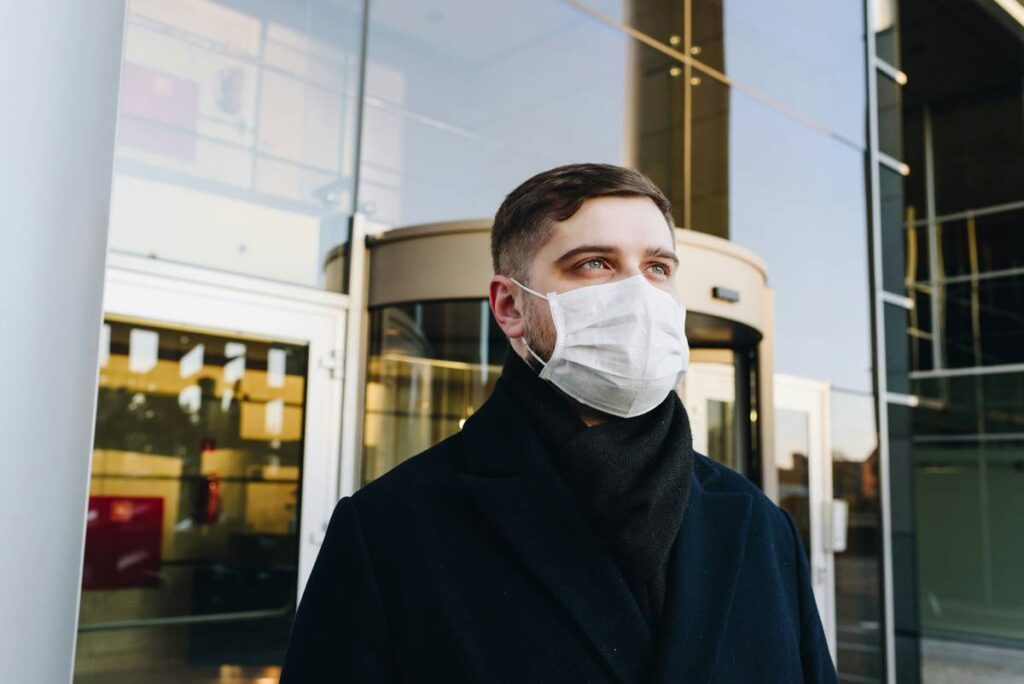
– N95 respirator: NIOSH-approved, filters ≥95% of airborne particles ≥0.3 microns. Ideal for wood dust, drywall, fiberglass.
– P100 respirator: Filters ≥99.97% of oil and non-oil particles. Required for lead abatement, heavy mold, or chemical fumes.
Check for the NIOSH approval label
Look for “NIOSH” and an approval number (e.g., TC-84A-XXXX) printed directly on the mask. Counterfeit N95s flooded the market during the pandemic—many lack real filtration. Verify authenticity via the NIOSH Certified Equipment List.
Fit is everything
An N95 must seal tightly around your nose and chin. If you have facial hair, it breaks the seal—yes, even that “designer stubble.” Perform a user seal check every time: Cover the mask with your hands, inhale sharply—if air leaks around the edges, adjust or shave.
5 Best Practices for Wearing & Maintaining Your DIY Dust Mask
- Replace after 8 hours of cumulative use: OSHA recommends discarding disposable respirators after one shift (even if it looks clean).
- Never reuse if wet or soiled: Moisture degrades the electrostatic charge that traps particles.
- Store in a clean, dry place: Don’t toss it in your dusty tool bag—that defeats the purpose.
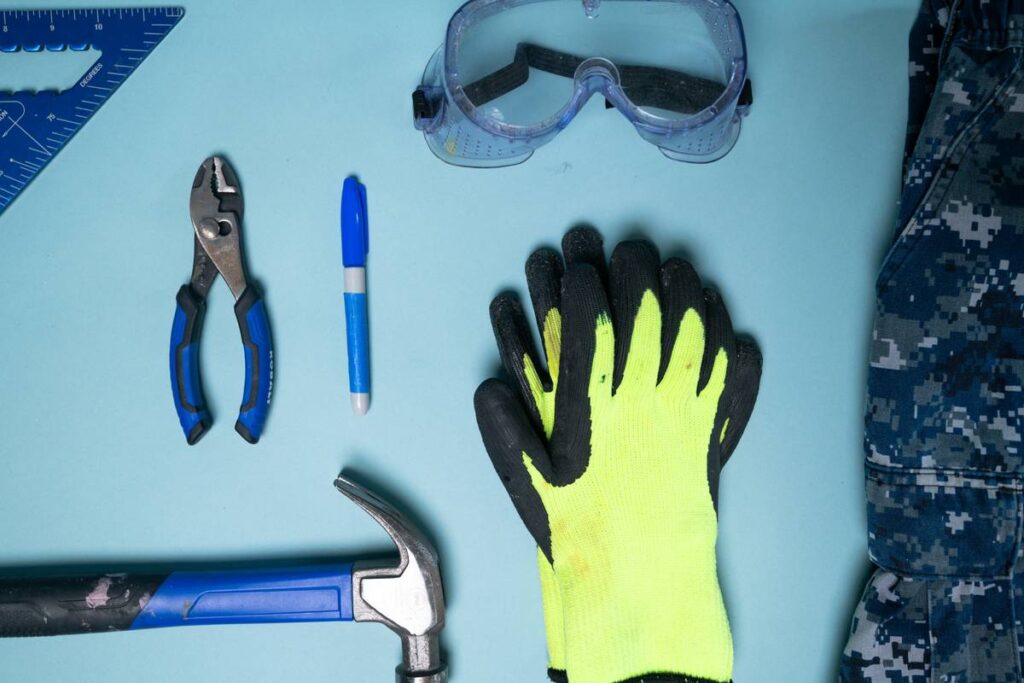
- Pair with eye protection: Fine dust irritates eyes. Use safety goggles (ANSI Z87.1-rated).
- Ventilate the workspace: Open windows, use fans blowing outward, or run an air scrubber with a HEPA filter.
🚨 Terrible Tip Disclaimer: “Just wrap a wet towel around your face—it’s like a natural filter!” Nope. This offers no particulate filtration and can promote mold growth. Hard pass.
Case Study: How One DIYer Avoided Long-Term Lung Damage
Maria R., a homeowner in Portland, OR, decided to remove popcorn ceilings in her 1960s ranch house. Aware of possible asbestos (common in textures pre-1980), she hired a tester first—smart move. Result: negative for asbestos, but positive for lead dust.
Instead of risking it, Maria invested $18 in a 3M 8233 N100 respirator (P100 equivalent) and disposable coveralls. She also sealed off the room with plastic sheeting and ran a HEPA air purifier for 48 hours post-removal. Her blood lead levels remained normal, and she reported “zero respiratory issues—just pride in a clean job.”
Contrast that with John D. from Phoenix, who dry-scraped his ceiling wearing nothing but sunglasses. He developed chronic bronchitis and required medical treatment. His takeaway? “I thought lungs healed themselves. They don’t.”
FAQs: Safety Gear DIY Dust Mask Must Questions—Answered
Do I need a dust mask for painting?
For latex paint—usually not. But for oil-based paints, spray painting, or removing old paint (especially pre-1978), yes. Use an organic vapor cartridge respirator (e.g., 3M 6000 series with 6006 cartridges).
Can I reuse an N95 mask for multiple projects?
Only if stored properly and undamaged—but never if used around lead, mold, or hazardous dust. When in doubt, toss it.
Are kids’ DIY kits safe without masks?
No child should sand, saw, or demolish without supervision and proper PPE. Their lungs are still developing and more vulnerable.
Where’s the best place to buy reliable dust masks?
Hardware stores (Home Depot, Lowe’s), industrial suppliers (Grainger, Fastenal), or directly from manufacturers (3M, Honeywell). Avoid random Amazon/eBay sellers unless verified.
Conclusion
A “safety gear DIY dust mask must” isn’t just SEO keyword stuffing—it’s a literal lifeline for your respiratory health. Whether you’re patching drywall or gutting a garage, fine particulates are invisible but insidious. Invest in a NIOSH-approved N95 or P100 respirator, wear it correctly, and replace it regularly. Your future self—breathing easy at 70—will thank you.
Because in DIY, the real flex isn’t finishing fast. It’s finishing safely.
Like a Tamagotchi, your lungs need daily care—even when you’re just “messing around” with a sander.
Dust flies in silence—
Mask seals tight, lungs stay clear, safe.
DIY done right.