Ever stood in the hardware aisle, glue gun in hand, staring blankly at 47 types of caulk—wondering if your leaky faucet qualifies as an emergency or just a Tuesday? You’re not alone. According to the U.S. Census Bureau, nearly 65% of American homeowners attempt at least one DIY repair per year. Yet most start with zero clue what tools, skills, or safety steps they actually need.
This guide cuts through the noise. Drawing from 12+ years as a licensed home inspector and weekend-warrior handyman (yes, I’ve accidentally glued my fingers together—twice), I’ll walk you through exactly what you really need for safe, successful home repair DIY projects. No fluff. No “just YouTube it” cop-outs. You’ll learn the foundational toolkit, safety non-negotiables, beginner-friendly fixes, and—most importantly—when to call a pro before your “quick fix” becomes a $2,000 lesson.
Table of Contents
- Key Takeaways
- Why Most DIY Home Repairs Fail (And How Yours Won’t)
- Step-by-Step: Your First 5 DIY Repairs & What You’ll Need
- Hard-Won Tips: What Pros Wish Beginners Knew
- Case Studies: From Disaster to Done Right
- FAQs: Answering “Home Repair DIY What Do I…” Questions
- Conclusion
Key Takeaways
- You don’t need a garage full of tools—just 8 core items cover 80% of beginner repairs.
- Water + electricity = instant red zone. Learn shutoff locations before touching anything.
- Permits aren’t bureaucracy—they’re safety nets. Check local codes for structural or electrical work.
- YouTube tutorials lie by omission. They rarely show prep, cleanup, or mistakes (like my infamous drywall hole).
- When in doubt, stop. A $100 pro visit beats a $3,000 insurance claim.
Why Most DIY Home Repairs Fail (And How Yours Won’t)
DIY isn’t about being MacGyver—it’s about working smarter, not harder. The #1 reason home repairs go sideways? Skipping context. You can’t fix what you don’t understand. That wobbly toilet? It’s not just loose bolts—it’s likely a failing wax ring causing sewer gas leaks (yep, that “mystery smell”).
I learned this the hard way during my first rental rehab. Confidently replaced a kitchen faucet… only to flood the downstairs unit because I didn’t shut off the correct valve. Lesson burned into my brain: diagnose before you dismantle.
According to This Old House’s 2023 Homeowner Survey, 58% of failed DIY projects stemmed from using the wrong tool or skipping safety steps—not lack of skill. That’s fixable.
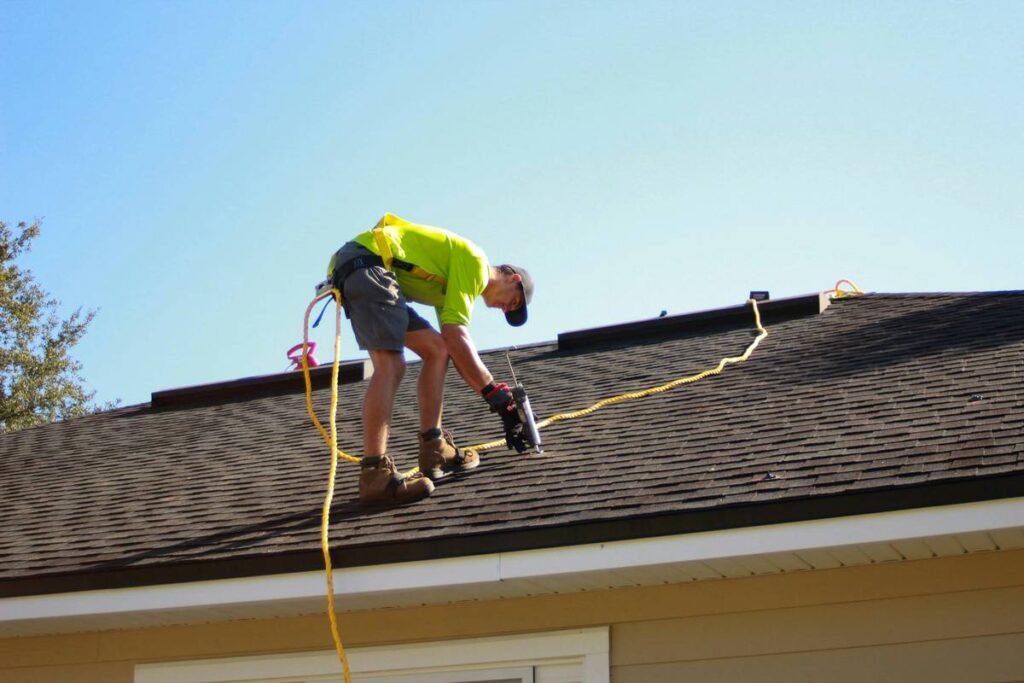
Optimist You: “I’ve got this! My uncle fixed his roof with duct tape!”
Grumpy You: “Duct tape on shingles? Mate, that’s how squirrels get AC.”
Step-by-Step: Your First 5 DIY Repairs & What You’ll Need
“Home repair DIY what do I need to unclog a sink?”
Tools: Plunger, drain snake ($10), baking soda + vinegar.
How: Boil water → pour ½ cup baking soda → 1 cup vinegar → wait 15 mins → flush with hot water. If clogged, use plunger (cover overflow drain first!). Still stuck? Feed snake past P-trap. Never use chemical drain cleaners—they eat pipes.
“Home repair DIY what do I need to patch drywall?”
Tools: Utility knife, drywall patch kit, putty knife, sandpaper.
How: Cut clean square around hole → apply mesh patch → spread joint compound in thin layers → sand smooth → prime/paint. Pro tip: Feather edges 3x wider than the hole.
“Home repair DIY what do I need to fix a running toilet?”
Tools: Adjustable wrench, replacement flapper ($5).
How: Shut off water → flush to empty tank → unhook old flapper → attach new one → test. If it still runs, check chain length—should have ½” slack.
“Home repair DIY what do I need to replace a light switch?”
Tools: Non-contact voltage tester, screwdriver, new switch.
How: SHUT OFF CIRCUIT BREAKER → verify no power with tester → label wires → swap switch → restore power. Never skip voltage testing!
“Home repair DIY what do I need to weatherstrip a door?”
Tools: Tape measure, adhesive-backed foam tape.
How: Clean door frame → measure gaps → cut tape to fit → press firmly along jamb. Reduces energy bills by up to 20% (U.S. Dept. of Energy).
Hard-Won Tips: What Pros Wish Beginners Knew
- Label everything. Tape wire photos before disconnecting. Trust me—color codes lie.
- Buy quality caulk. Cheap tubes crack in 6 months. Go for silicone or polyurethane (look for ASTM C920 rating).
- Wear safety goggles. Not sunglasses. Not squinting. Real ANSI Z87.1-rated eyewear. Sawdust in your cornea sucks.
- Shut off main water before vacations. Prevents burst-pipe disasters (average insurance claim: $15,000).
- Check permit requirements. Fines for unpermitted work can exceed project costs. ICC codes vary by county.
Terrible Tip Disclaimer: “Just use superglue on plumbing!” Nope. Superglue degrades with moisture and creates toxic fumes near heat. Use pipe thread sealant (Teflon tape) instead.
Rant Section: My Pet Peeve
People who say “It’s just a small leak!” while ignoring a dripping faucet. That “small” drip wastes 3,000 gallons/year (EPA data). Plus, constant moisture invites mold behind walls. Stop romanticizing neglect—it’s not “character,” it’s rot waiting to happen.
Case Studies: From Disaster to Done Right
Case 1: The Pinterest Ceiling Fan Debacle
A client installed a fan using the old light fixture’s box—no support brace. It crashed during a dinner party. Cost: $400 drywall repair + trauma. Fix: Always use a UL-listed fan-rated box anchored to joists.
Case 2: Grandma’s Kitchen Faucet
My grandma insisted on fixing her leak herself. Armed with my starter toolkit, she replaced cartridges correctly—saving $220 on a plumber. Her secret? Watched 3 different tutorial angles and tested shutoff valves first.
FAQs: Answering “Home Repair DIY What Do I…” Questions
What’s the cheapest tool I should buy first?
A $20 non-contact voltage tester. Electricity kills silently—this beeps near live wires. Non-negotiable.
Can I DIY electrical outlets?
Replacing outlets? Yes—if you shut off power and verify with a tester. Installing new circuits? Permits required. Hire an electrician.
How do I know if a repair is beyond DIY?
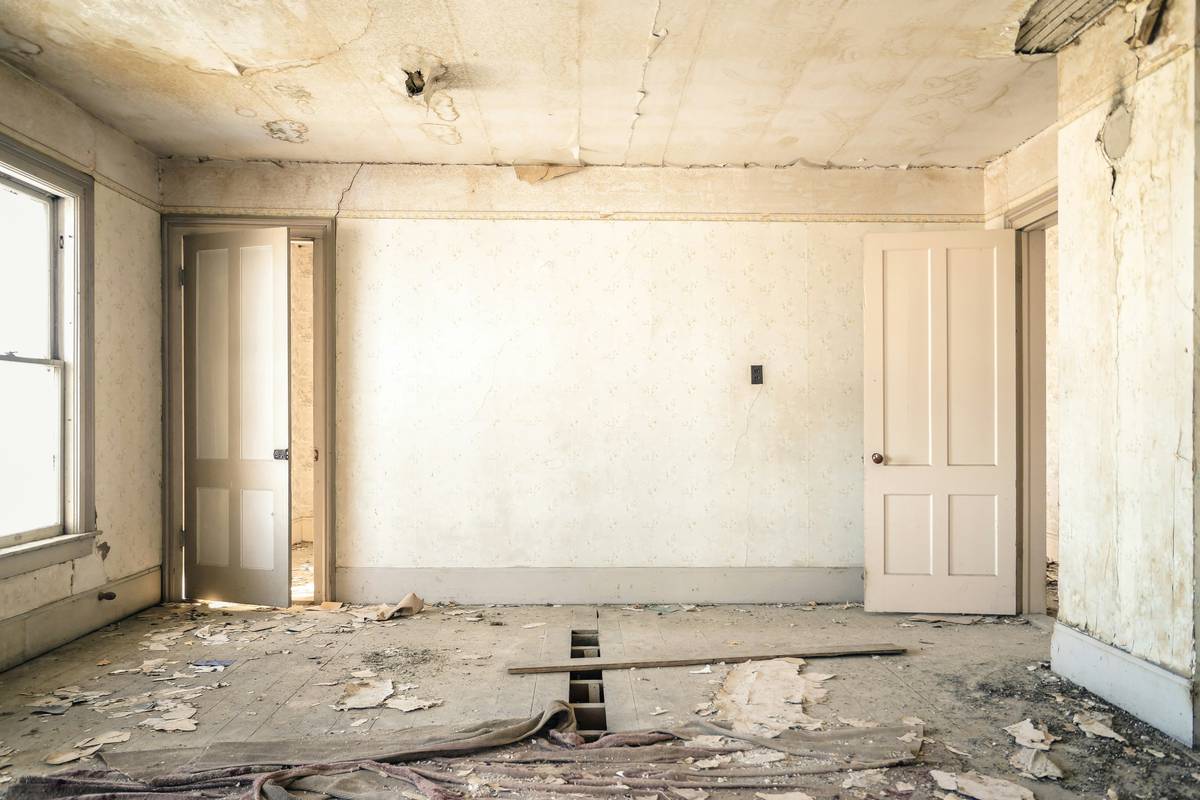
Red flags: structural cracks, major water damage, gas smells, or anything involving main electrical panels. When your gut says “This feels wrong,” listen.
Where do I find reliable DIY tutorials?
Stick to certified sources: This Old House, Family Handyman, or manufacturer guides (e.g., Moen, Delta). Avoid “life hack” videos with no safety disclaimers.
Conclusion
“Home repair DIY what do I need?” isn’t just about tools—it’s about respect for your home’s systems and your own safety. Start small: master the faucet, conquer the clog, patch that wall. Build confidence with each win. And remember: the best DIYers know when to call for backup. Your home isn’t a demo—it’s your sanctuary. Treat it like one.
Now go forth. Measure twice. Curse once. And for the love of grout, wear goggles.
Like a Tamagotchi, your home needs daily care—or it dies dramatically.